
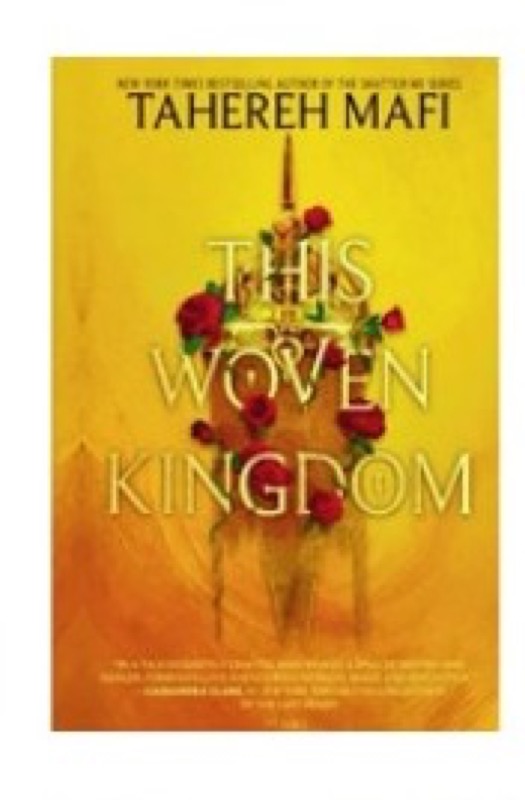
This Woven Kingdom
Hook & thesis
In This Woven Kingdom, Tahereh Mafi weaves a tale of forbidden love and political intrigue, drawing from Persian mythology to explore the complexities of class and power. Verdict: Mafi’s enchanting prose and rich world-building create a compelling narrative that resonates as both an intimate love story and a broader commentary on societal structures.
The contextual pivot
This novel finds its place within the burgeoning realm of fantasy-romance, a genre that flirts with mythological elements while often prioritizing emotional stakes. Mafi’s work stands apart through its intricate exploration of cultural narratives, reminiscent of authors like Leigh Bardugo and Sabaa Tahir, yet distinctly rooted in a Persian-inspired landscape. The balance of niche tropes surrounding magic and jinn is expertly bridged to appeal to a wider audience, making the themes of class disparity and resilience accessible to those who may typically shy away from fantasy.
Deep-dive critique
Mafi’s narrative structure effectively interlaces dual perspectives, allowing readers to navigate the story through both the regal and the common lens. This technique not only enhances the tension between characters but also echoes the overarching theme of class disparity. The pacing is deliberate, with Mafi opting for lush descriptions that often slow down action to allow emotional depth to flourish. While this can risk losing momentum, the resulting intimacy invites readers to savor the characters’ desires and conflicts.
Character development is a strong point, particularly in the protagonist, Alizeh, whose quiet strength and longing transcend the page. Mafi’s adept use of dialogue captures the tension between societal expectations and personal aspiration, especially in the exchanges between Alizeh and her love interest, whose class stands in stark contrast to her own. However, at moments, certain supporting characters feel underdeveloped, leading to missed opportunities for deeper exploration of the intricate world Mafi has constructed.
The thematic resonance of magic serves not only as a fantastical element but as a critical lens through which power dynamics are examined. The magic system, rooted in Persian folklore, is particularly effective in heightening the stakes of political intrigue, creating a visceral connection to the characters’ struggles. The ending, while poignant, leaves some questions unresolved, suggesting a deliberate choice by Mafi to maintain tension for subsequent installments in the series.
Discussion launchpad
The novel prompts a myriad of discussions surrounding the intersection of love and power, and the ways in which societal structures can dictate personal freedom.
- What are the implications of using a fantasy setting to critique real-world class disparities?
- How does the dual perspective impact our understanding of the stakes involved in Alizeh’s relationships?
- In what ways does Mafi’s prose style enhance or detract from the narrative’s urgency?
Questions for the room:
- How do you perceive the balance between romance and political intrigue in the story?
- Does the portrayal of magic feel integral to the plot, or does it serve as a mere backdrop for the romance?
- What are the effects of the unresolved elements in the ending on your overall impression of the book?
#TheOrchidRoom #fantasyromance #romantasy #darkromance #persianinspired