
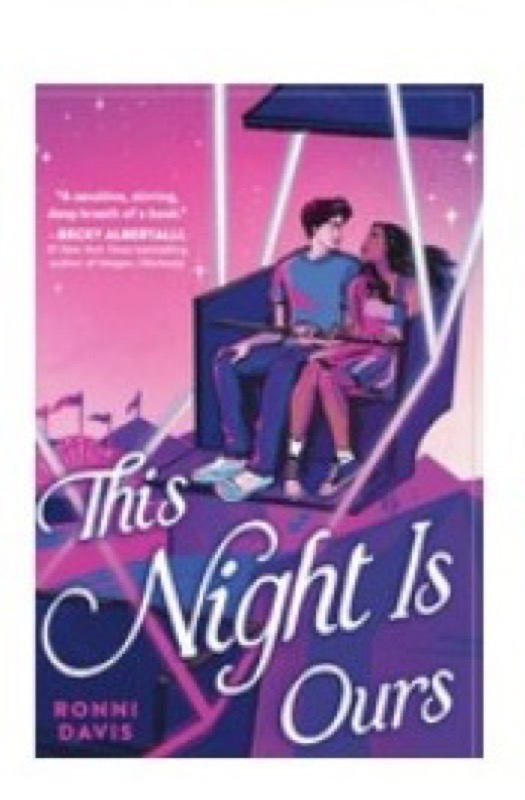
This Night Is Ours
Hook & thesis
In “This Night Is Ours,” Ronni Davis weaves a tapestry of forbidden love steeped in the complexities of chronic illness and anxiety, capturing the raw, unfiltered yearnings of youth. Verdict: Davis masterfully navigates the treacherous waters of desire and societal expectations, crafting a narrative that is as heart-wrenching as it is beautifully rendered.
The contextual pivot
Situated within the forbidden love subgenre, this novel resonates deeply with contemporary young adult literature’s exploration of marginalized experiences. Davis stands alongside authors like Nicola Yoon and Angie Thomas, whose works often confront societal taboos with a delicate touch. While her narrative embraces niche tropes, such as the complexities brought forth by chronic illness, it simultaneously bridges the gap to a broader audience through its universal themes of love and resilience. The invisible audience here consists of young adults grappling with their identities and societal pressures, rendering the book both relatable and impactful.
Deep-dive critique
Davis’s structure is both fluid and intentional, employing a dual perspective that allows readers to traverse the hearts and minds of the protagonists with ease. This narrative choice enhances the emotional stakes, as the shifting points of view amplify the tension of their clandestine romance. The pacing reflects the urgency of youthful passion, with moments of respite that underscore the weight of their challenges — notably, the protagonists’ struggles with chronic illness and anxiety serve as profound barriers to their desires, creating a rich emotional landscape.
The prose shines particularly in its vivid imagery and nuanced dialogue, which reveal layers of longing and vulnerability. Davis’s characters are intricately crafted, embodying not only their personal battles but also the societal prejudices they face. However, the dialogue occasionally leans into clichés, which can detract from the otherwise poignant narrative. The thematic exploration of love entwined with illness is both brave and resonant, though at times it risks falling into predictable tropes that could alienate more discerning readers. The ending, while satisfying, flirts with conventionality — a balance between hope and realism that some may find either comforting or frustrating, depending on their expectations of the genre.
Discussion launchpad
Davis’s exploration of love in the face of adversity raises questions about the nature of desire and societal constraints. The juxtaposition of chronic illness against the backdrop of youthful longing invites rich discussions about the portrayal of mental health in romance narratives.
- Questions for the room:
- How effectively does the novel challenge or reinforce societal norms regarding forbidden love?
- In what ways does the portrayal of anxiety and chronic illness enhance the narrative, and where might it falter?
- How does the dual perspective impact your connection to the characters?
- Do you find the ending satisfying, or does it conform too neatly to genre expectations?
- What elements of the prose stood out as particularly effective or ineffective in conveying the emotional depth of the characters?
#TheOrchidRoom #forbiddenlove #darkromance #YA #literaryanalysis