
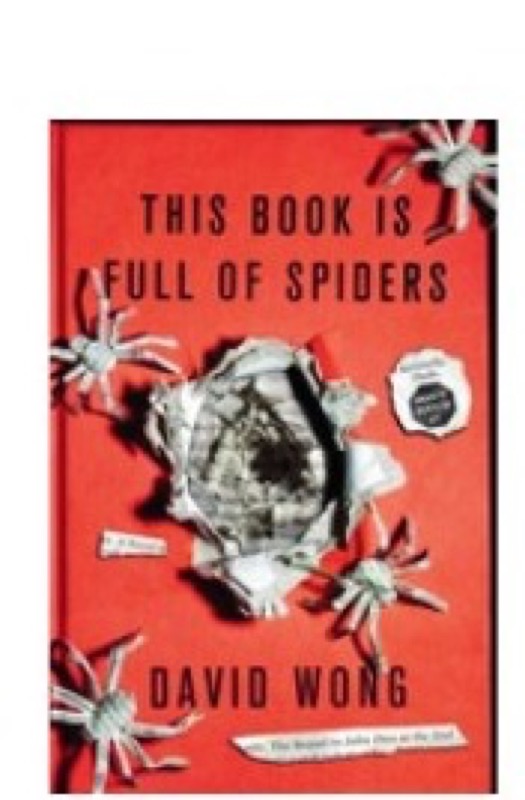
This Book Is Full of Spiders
Seriously, Dude, Don't Touch It
Hook & thesis
In David Wong’s audacious sequel, This Book Is Full of Spiders, readers are thrust into a chaotic dance between the absurd and the macabre, where the true engine driving the narrative is the battle against one’s own existential fears. Verdict: Wong masterfully entwines horror with humor, creating a biting critique of human nature that lingers long after the last page.
The contextual pivot
Positioned firmly within the gothic-horror-romance genre, Wong’s work draws on the tradition of blending the grotesque with the ludicrous, akin to the likes of Chuck Palahniuk and Clive Barker. Unlike standard horror fare, Wong’s narrative operates as a satire on societal anxieties, particularly the fears surrounding the unknown and human connection. The invisible audience here seems to be younger readers seeking both thrills and levity, as Wong seamlessly bridges niche tropes with broader themes of anxiety and camaraderie.
Deep-dive critique
Wong’s structure plays a pivotal role in elevating the tension and dark humor throughout the novel. The narrative unfolds with an erratic pacing that mirrors the chaos of its themes: the interplay of reality and the surreal. The first-person perspective grounds the reader in the protagonist’s increasingly frantic mindset, drawing them into the suffocating dread of spider incursions, which serve as a metaphor for larger societal fears.
Lyrical prose juxtaposed with sharp dialogue creates a vivid landscape where horror and humor coexist, often in the same breath. For instance, Wong’s clever use of hyperbole and absurdity transforms grotesque situations into moments of levity, underscoring the thin veil between sanity and madness. However, this very craft can falter at times, particularly when the humor overshadows the horror, leaving moments that could have been genuinely terrifying feeling somewhat diluted.
Thematically, Wong explores the fragility of human relationships amid chaos, as characters grapple not only with the spiders but with their own vulnerabilities. The ending, though satisfying in its resolution, leaves a lingering question about the cyclical nature of fear and the choices we make in its face. The emotional stakes feel earned, as characters confront not only external monsters but also their internal demons.
Discussion launchpad
While Wong’s blend of humor and horror is a hallmark, it raises polarizing questions about the efficacy of such juxtaposition. Can humor truly coexist with horror without diminishing the latter’s impact? What does this say about our cultural coping mechanisms?
Questions for the room:
- Does the humor in Wong’s narrative detract from the horror, or does it enhance the experience?
- How does the use of spiders as a central metaphor resonate with contemporary fears?
- In what ways does the novel challenge traditional horror tropes, and does it succeed?
- Are there moments where the satire becomes too heavy-handed?
- How does Wong’s unique voice compare to other contemporary authors in the genre?
#TheOrchidRoom #gothic #horrorromance #paranormal #darkheartlabs