
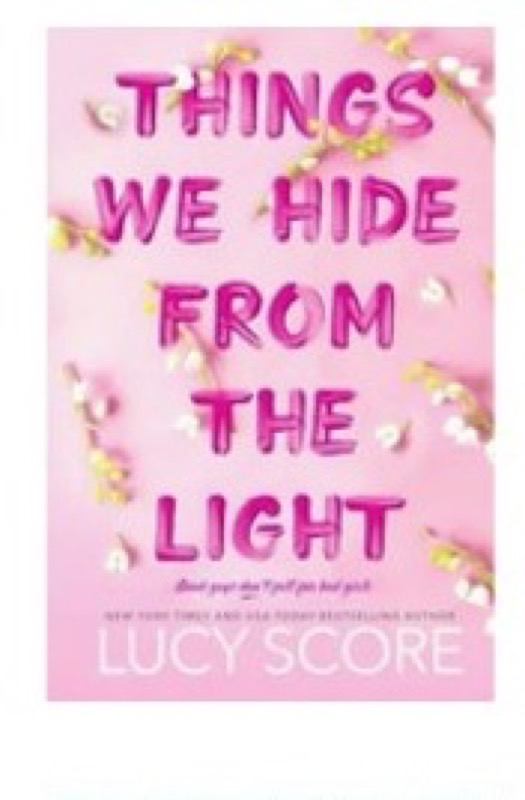
Things We Hide from the Light
Good guys don't fall for bad girls
Hook & thesis
In Things We Hide from the Light, Lucy Score crafts a tantalizing dance between light and dark, inviting readers into a world where past traumas collide with the complexity of desire. Verdict: This book deftly explores the entanglement of enemies-to-lovers dynamics, revealing that the most profound connections often emerge from the shadows of our hidden selves.
The contextual pivot
Nestled within the enemies-to-lovers sub-genre, Score’s work resonates with echoes of contemporary romance while teetering on the brink of dark romance. The author deftly navigates the small-town backdrop, a setting that amplifies the stakes of interpersonal conflict and intimacy, reminiscent of works by authors like Tessa Bailey and Mariana Zapata. Score’s exploration of grumpy-sunshine dynamics, positioned alongside a deeper examination of trauma and redemption, speaks to an invisible audience drawn to nuanced emotional landscapes, bridging niche tropes with broader themes of healing and acceptance.
Deep-dive critique
Score’s structure, marked by alternating perspectives, serves to heighten the tension between her protagonists, allowing readers to witness their vulnerabilities and defenses in real time. This duality enhances the pacing, drawing us into the emotional gravity of their interactions. The prose oscillates between sharp and tender, effectively reflecting the characters’ internal struggles. Characterization is a particular strength; the grumpy hero and the bad-girl persona are layered, each embodying both relatable flaws and redeemable qualities that keep the reader invested.
However, while the dialogue often crackles with chemistry, there are moments where it dips into cliché, diluting the overall impact. The themes of violence and past trauma, woven throughout the narrative, are compelling yet sometimes feel under-explored, leaving the reader yearning for deeper engagement with these darker elements. The ending, while satisfying, feels slightly rushed, as if the intensity built throughout the novel could have been allowed to breathe a moment longer before resolution.
Discussion launchpad
This book undeniably raises questions about the boundaries of love, trauma, and redemption, and how they play out in relationships marked by conflict. Its exploration of darker themes juxtaposed with romantic tension will likely provoke a spectrum of reactions among readers.
Questions for the room:
- How effectively does Score balance the darker elements of the story with romantic tropes?
- Are the character arcs satisfying in the context of their trauma, or do they feel rushed?
- In what ways does the small-town setting enhance or detract from the narrative’s emotional stakes?
- How do we perceive the grumpy-sunshine dynamic in relation to power and vulnerability within relationships?
- Is there a danger in romanticizing trauma within the enemies-to-lovers trope?
#TheOrchidRoom #enemiestolovers #darkromance #smalltown #literaryanalysis