
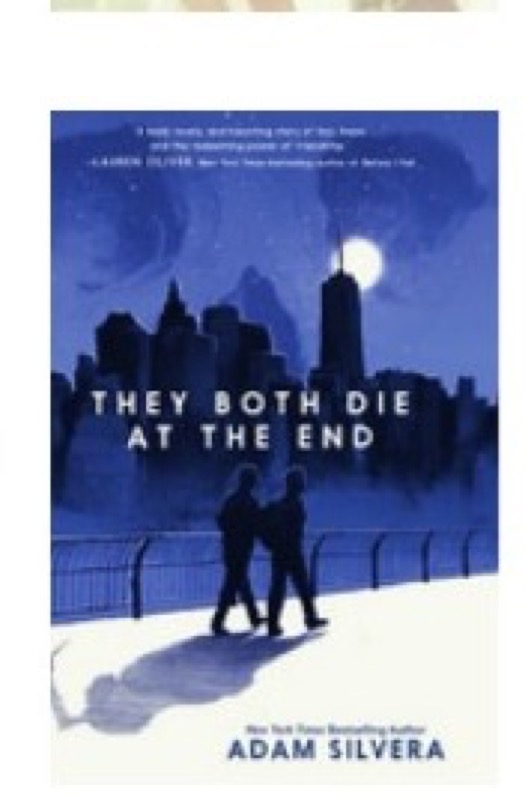
They Both Die at the End
Hook & thesis
In They Both Die at the End, Adam Silvera deftly explores the fragility of life and the intensity of human connection in the face of mortality. The book’s true engine is the unyielding tension between the desire for love and the inevitability of death. Verdict: This poignant narrative grips the heart, inviting readers to confront the beauty and tragedy woven into our fleeting existence.
The contextual pivot
Silvera’s work sits firmly within the contemporary young adult genre, yet it transcends typical tropes of forbidden love by enveloping the reader in a world where every moment could be their last. The novel echoes the thematic depth found in other modern classics, such as The Fault in Our Stars by John Green or If I Stay by Gayle Forman, where love and loss intertwine. Silvera’s skillful portrayal of LGBTQ+ relationships broadens the appeal, bridging niche storytelling with universal themes of grief and connection. The invisible audience is likely composed of young readers grappling with their own existential questions, making this narrative all the more resonant.
Deep-dive critique
From a structural standpoint, Silvera employs dual perspectives that enhance the emotional gravity of the story, allowing readers to intimately experience the characters’ internal conflicts. The pacing, reflective of the countdown to the protagonists’ demise, expertly cultivates tension, emphasizing the urgency that underpins their relationship. The use of short, fragmented chapters creates an almost staccato rhythm, mirroring the unpredictability of life itself; this choice elicits a visceral response, drawing readers deeper into the narrative.
The prose excels in its simplicity, laden with profound insights that resonate long after reading. Silvera’s dialogue is authentic and layered, capturing the rawness of youthful longing while addressing larger themes of mortality and connection. However, while the thematic richness is undeniable, some readers may find the emotional manipulation heavy-handed, as the constant reminders of death can overshadow character development at times. The ending, though tragic, feels earned; it encapsulates the essence of the narrative: that love, even when fleeting, holds immense significance.
Discussion launchpad
The juxtaposition of love and mortality in this novel opens a plethora of avenues for discussion. Readers may grapple with the balance of hope and despair within the text, questioning the narrative’s emotional impact.
Questions for the room:
- Do you feel that the portrayal of death in the novel enhances or detracts from the love story?
- How do the dual perspectives shape your understanding of the characters’ desires?
- In what ways does Silvera challenge traditional depictions of forbidden love?
- Does the novel provide a satisfying exploration of grief, or does it fall short in addressing the aftermath of loss?
- How does this book compare to other works in the contemporary young adult genre regarding its treatment of mortality and love?
#TheOrchidRoom #forbiddenlove #darkromance #youngadult #LGBTQ