
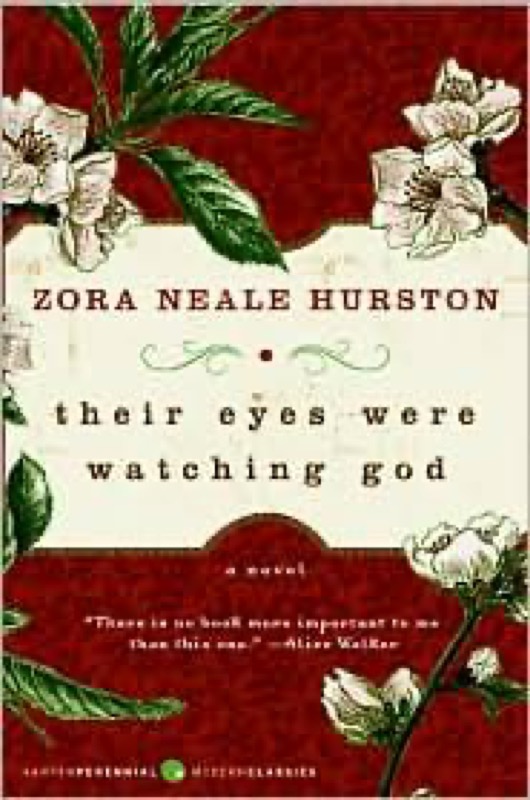
Their Eyes Were Watching God
Hook & thesis
In Zora Neale Hurston’s seminal work, Their Eyes Were Watching God, the author skillfully navigates the quest for identity and self-fulfillment against the backdrop of early 20th-century Southern African American life. Hurston’s primary objective is to illustrate the complexities of female autonomy and the journey toward self-discovery. Verdict: This novel brilliantly captures the essence of a woman’s struggle for independence and love in a patriarchal society, making it a timeless exploration of personal freedom.
The contextual pivot
Their Eyes Were Watching God occupies a pivotal space in the Harlem Renaissance, a movement that celebrated African American culture while challenging societal norms. Hurston, distinct from her contemporaries, such as Langston Hughes and Claude McKay, employs a rich dialect and a deep-rooted spirituality that resonates with the invisible audience of African American women. This work bridges niche tropes of feminism and self-discovery to broader literary discussions, appealing to general readers who value themes of resilience and personal growth.
Deep-dive critique
The novel’s structure, which intertwines Janie’s reflections with her past experiences, creates a compelling narrative arc that emphasizes her evolution. Hurston’s choice of a third-person limited point of view allows readers to intimately connect with Janie’s emotions while maintaining a critical distance from societal judgments. The pacing, particularly in the early chapters, may feel languorous but effectively mirrors Janie’s gradual journey toward empowerment. Hurston’s prose is lyrical and evocative, painting vivid imagery of the Southern landscape and the emotional terrain of her characters. However, some dialogue may appear cumbersome, reflecting the dialect’s complexity, which could alienate some readers. The ending, while poignant, raises questions about the fulfillment of Janie’s quest for love, leaving it open to interpretation and discussion.
Discussion launchpad
The book’s exploration of gender roles and societal expectations presents polarizing themes that can ignite fervent discussion among readers. Questions for the room:
- How does Hurston’s portrayal of love differ from traditional narratives in literature?
- In what ways does Janie’s journey reflect the broader struggles of African American women today?
- What is the significance of the novel’s title in relation to Janie’s self-discovery?
- How does the use of dialect enhance or detract from the narrative’s impact?
#LitClass #Grade11 #RequiredReading #classic #feminism #self-discovery