
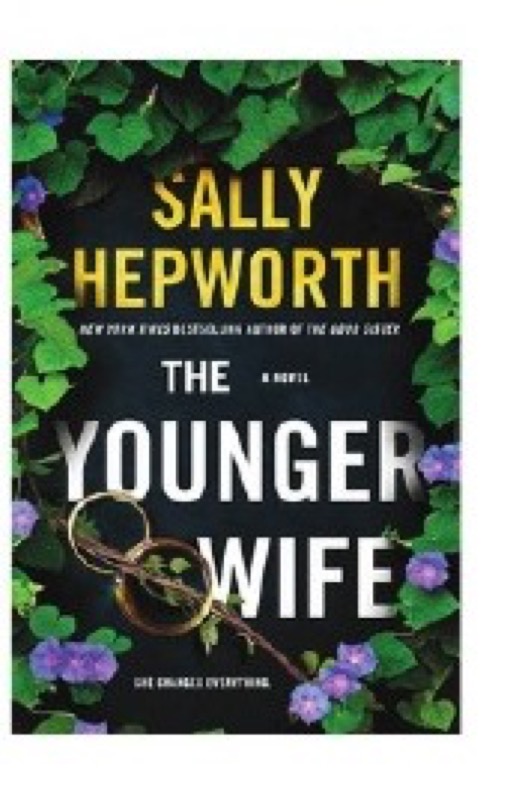
The Younger Wife
She changes everything.
Hook & thesis
Sally Hepworth’s The Younger Wife dives into the murky waters of marital deception and familial betrayal, exploring the unsettling dynamics of love entwined with darkness. Verdict: This novel expertly unearths the rot beneath the surface of seemingly idyllic relationships, revealing that the real horror lies not in the thriller’s twist but in the human heart’s capacity for denial and complicity.
The contextual pivot
In the realm of dark thrillers, The Younger Wife navigates the treacherous terrain of domestic suspense, echoing the works of authors like Gillian Flynn and Paula Hawkins, who deftly weave psychological tension into family narratives. Hepworth’s exploration of marital secrets and family drama resonates with readers who appreciate the genre’s underbelly, where intimate relationships become breeding grounds for deceit and manipulation. The book’s appeal spans niche tropes while maintaining enough accessibility to draw in a broader audience, particularly those intrigued by the darker aspects of love and loyalty.
Deep-dive critique
The Younger Wife employs a multi-POV structure that amplifies the tension, allowing readers to glimpse the varying psychological landscapes of its characters. This technique, while ambitious, occasionally falters under the weight of its own complexity, as certain voices feel underdeveloped or confusing in their motivations. Hepworth’s prose is sharp and evocative, with particularly strong imagery that conveys the claustrophobic nature of the protagonist’s world. However, the pacing dips significantly in the middle, where the relentless build-up of secrets could either captivate or frustrate depending on the reader’s tolerance for slow reveals.
Thematically, Hepworth excels in her examination of the cost of keeping up appearances. The novel raises compelling questions about complicity in familial dysfunction: as characters grapple with their roles in the disintegration of their relationships, readers are prompted to consider their own thresholds of moral compromise. Yet, the ending, though tense, risks feeling unearned as it leans heavily on shock rather than resolution, leaving lingering questions about character arcs and their respective journeys toward redemption or ruin.
Discussion launchpad
This novel sparks a multitude of polarizing topics, especially regarding the portrayal of marriage and its inherent darkness.
- The blurred lines between love and manipulation: how far is too far?
- The balance of character development versus plot twist: does one overshadow the other?
- Are the themes of denial and complicity too bleak or too relatable in today’s society?
Questions for the room:
- Do you think the multi-POV structure enhances or detracts from the narrative?
- What were your thoughts on the resolution—was it satisfying or simply sensational?
- How does The Younger Wife compare to other domestic thrillers you’ve read; does it stand out or blend in?
#LiteraryAnalysis #GothicEdge #darkthriller #romanticsuspense #TheOrchidRoom