
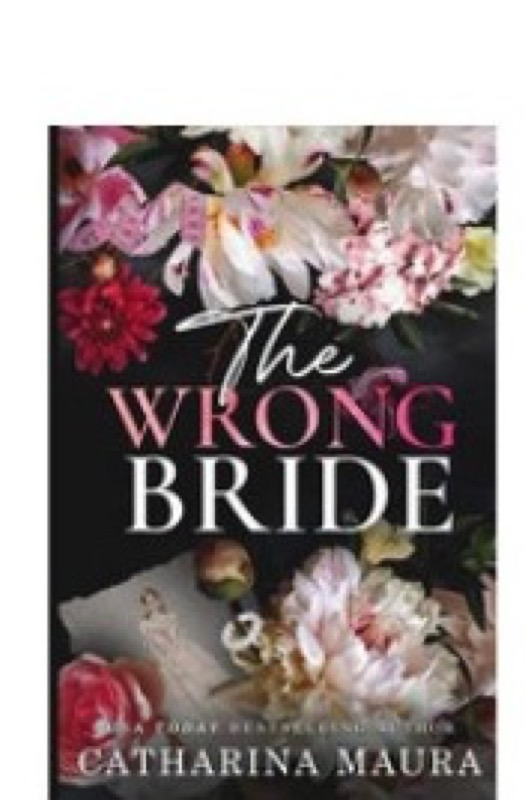
The Wrong Bride
Hook & thesis
Catharina Maura’s The Wrong Bride explores the tumultuous terrain of love forged in the crucible of obligation and betrayal, revealing the bitter truths that accompany desire when entangled in an arranged marriage. Verdict: This novel deftly dissects the veneer of romantic ideals within a framework of familial duty, emerging as a compelling critique of the very structures that bind its characters.
The contextual pivot
Nestled firmly within the arranged-marriage subgenre, The Wrong Bride stands out by marrying contemporary themes with darker romantic undertones. The author’s previous works hint at a deep understanding of emotional landscapes, yet here, she escalates the stakes as she navigates a perilous blend of power dynamics and personal choice. Catharina Maura’s narrative invites readers who typically revel in billionaire romance tropes while simultaneously appealing to those seeking a deeper, more uncomfortable examination of love’s entrapments. The book’s ability to bridge niche desires with broader emotional truths ensures its resonance with an audience that craves both heat and depth.
Deep-dive critique
In The Wrong Bride, Maura employs a dual-narrative structure that masterfully oscillates between the perspectives of the bride and the groom, a choice that amplifies the tension embedded within their arranged union. The pacing, however, occasionally falters; moments of simmering angst give way to hurried resolutions that feel unearned, particularly as the characters grapple with emotional infidelity and family betrayal. The dialogue crackles with a blend of wit and tension, yet at times strays into clichés that could distance readers from the emotional gravity of the conflict.
The prose itself is lush, filled with vivid imagery that evokes both the allure and claustrophobia of the characters’ circumstances. Maura’s world-building, while rich, could benefit from deeper exploration into the societal expectations that underpin her characters’ choices, as this would further illuminate the stakes involved. The thematic undercurrents of autonomy versus obligation pulse throughout the narrative; moments of introspection and conflict resonate deeply with readers who have navigated the complexities of familial loyalty versus personal desire. Ultimately, while the ending provides a resolution, it raises questions about the sustainability of love born from such tumultuous beginnings.
Discussion launchpad
This novel presents stark polarities that will undoubtedly ignite passionate discussion: the allure of dark, obsessive love juxtaposed with the harsh realities of agency and autonomy. Readers may find themselves divided on the moral implications of the characters’ choices and whether the resolution can genuinely satisfy the emotional turmoil that precedes it.
Questions for the room:
- Does the ending of The Wrong Bride redeem the characters, or does it merely trap them in another cycle of obligation?
- How effectively does Maura balance the tension between romantic fantasy and the harsh truths of arranged unions?
- In what ways does the portrayal of emotional infidelity complicate our understanding of love in the context of obligation?
- Can we view the characters as ultimately empowered, or are they merely pawns of circumstance?
- What role does societal expectation play in shaping the characters’ paths — does it enhance or detract from the emotional stakes?
#TheOrchidRoom #arrangedmarriage #darkromance #billionaireromance #literaryanalysis