
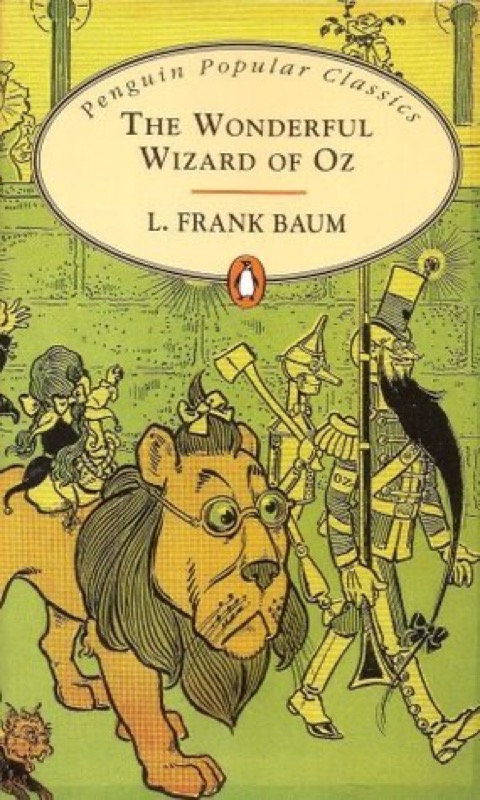
The Wonderful Wizard of Oz (Oz, #1)
Oz Series Book 1
Hook & thesis
L. Frank Baum’s The Wonderful Wizard of Oz cleverly subverts conventional fantasy tropes, revealing the darker undercurrents of desire and self-discovery. Verdict: This book is a masterful exploration of the human yearning for belonging, wrapped in an enchanting yet unsettling narrative.
The contextual pivot
Nestled within the gothic-horror-romance genre, Baum’s work straddles a line between whimsical adventure and profound existential inquiry. Unlike typical children’s literature of its time, which often leaned towards didacticism, Baum’s debut entry into the Oz series introduces readers to a realm fraught with emotional complexity and moral ambiguity. The invisible audience emerges as both children enchanted by the fantastical and adults seeking deeper, often darker interpretations of freedom and identity. By bridging the gap between niche fantasy elements and broader themes of self-actualization, Baum opens a dialogue that resonates across generations.
Deep-dive critique
Baum’s structural choices are pivotal in crafting the narrative’s deeper themes. The episodic format, with Dorothy’s encounters with various characters, allows for a nuanced exploration of her internal conflict—her longing for home juxtaposed with the allure of the unknown. Each character embodies elements of desire and fear: the Scarecrow’s quest for intellect, the Tin Woodman’s search for love, and the Cowardly Lion’s pursuit of courage all mirror Dorothy’s own journey of self-discovery. The third-person omniscient point of view enriches this tapestry, providing insights into the desires and motivations of each character while maintaining an air of mystery that lingers like fog over the Yellow Brick Road.
The prose itself operates on multiple levels, engaging young readers with its rhythmic simplicity while simultaneously inviting older readers to reflect on the darker implications of escapism. Baum’s use of vivid imagery and contrasting tones effectively builds tension, especially in moments when the whimsical meets the menacing—like the ominous presence of the Wicked Witch, a figure that embodies societal fears of the other. However, the ending, while triumphant, feels somewhat rushed; it tends to resolve the narrative’s tension quickly, leaving some philosophical questions about the nature of home and identity tantalizingly unresolved.
Discussion launchpad
The contrasts in Baum’s narrative provide fertile ground for debate. The interplay between innocence and experience raises questions about the true cost of adventure and the quest for self.
Questions for the room:
- How does Baum’s depiction of desire shape our understanding of the characters’ journeys?
- In what ways does the structure of the book enhance or detract from its thematic explorations?
- Do you see Baum’s portrayal of the Wicked Witch as reinforcing or subverting stereotypes of female power?
- How does the book’s resolution affect the reader’s interpretation of home and belonging?
- What elements of the gothic and horror genres are present in the narrative, and how do they influence the overall tone?
#TheOrchidRoom #gothic #horrorromance #fantasy #classic