
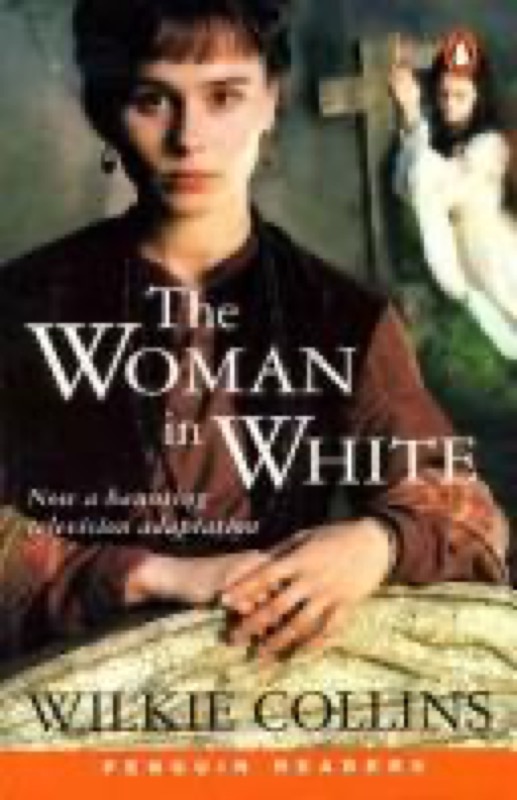
The Woman in White
Hook & thesis
Wilkie Collins’s The Woman in White is a seminal work that intricately weaves together themes of identity, madness, and the constraints of Victorian society. Verdict: Collins masterfully explores the plight of women trapped within oppressive societal norms, ultimately revealing the devastating consequences of unchecked power and deception.
The contextual pivot
Set against the backdrop of Victorian England, this novel belongs to the gothic horror romance genre, blending elements of mystery and suspense. Collins’s work stands alongside contemporaries such as Charles Dickens and the Brontë sisters, yet he distinguishes himself by employing multiple narrators to create a rich tapestry of perspectives. The invisible audience of this book encompasses those intrigued by psychological depth and social critique, bridging niche tropes with broader themes that resonate with general readers.
Deep-dive critique
The structure of The Woman in White is a compelling aspect that enhances its thematic success. The use of multiple points of view not only enriches the narrative but also allows readers to experience the injustices faced by the female protagonist, Laura Fairlie. Collins’s pacing effectively builds tension, particularly through the harrowing scenes of abduction and the depiction of mental illness, which reflect the anxieties of the time. However, the novel’s intricate plot can occasionally falter, as certain subplots may feel convoluted or overly drawn out, which could detract from the central themes. The dialogue is often sharp and revealing, serving to define character motivations and societal roles. The ending, while somewhat expected, offers a sense of resolution that underscores the overarching message about the importance of truth and justice in a corrupted society.
Discussion launchpad
The complexities in Collins’s portrayal of women and societal constraints present polarizing elements for discussion.
Questions for the room:
- How does Collins’s treatment of mental illness reflect the stigmas of his time?
- In what ways does the novel critique patriarchal authority?
- Are the supernatural elements effective, or do they detract from the realism of the narrative?
- How do the various narrators enhance or hinder the overall message of the story?
- What relevance do the themes of identity and madness hold in contemporary society?
#LitClass #Grade11 #RequiredReading #gothic #mystery