
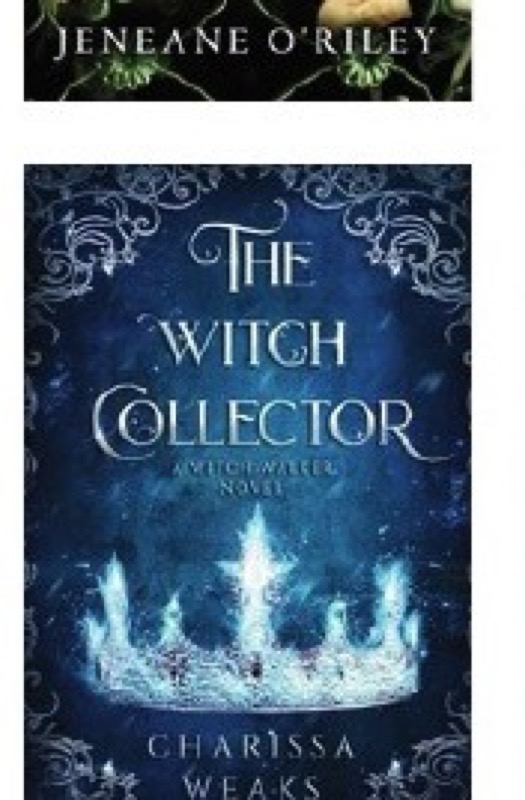
The Witch Collector
A Witch Walker Novel
Hook & thesis
In The Witch Collector, Charissa Weaks ingeniously intertwines themes of power, desire, and the burdens of legacy within a fantasy romance that flirts with the macabre. Verdict: This novel is a potent exploration of personal agency in a world where magic and darkness are inextricably linked, leaving readers breathless and questioning the cost of love.
The contextual pivot
Weaks’ work occupies a unique niche in the fantasy-romance genre, echoing the intricate world-building of authors like Sarah J. Maas and the haunting emotional landscapes of Jennifer L. Armentrout. While it caters to aficionados of dark magic and the supernatural, it also bridges the gap to general readers through its compelling character dynamics and visceral emotional stakes. The invisible audience here craves not just the thrill of witchcraft but also the deeper exploration of how such power shapes relationships and identities, making it an enticing read for both hardcore fans and newcomers alike.
Deep-dive critique
The structure of The Witch Collector is deftly crafted, employing a dual perspective that alternates between the protagonists, creating a rhythm that mirrors their emotional turbulence. This pacing serves the theme of desire beautifully, as the tension builds with each switch, revealing layers of complexity in both characters’ motivations. Weaks excels in her prose; her vivid descriptions of the witch-infested landscapes and the visceral feel of dark magic transport the reader to a realm where danger is ever-present. However, moments of dialogue occasionally stumble, feeling forced in their efforts to convey world-building lore, which can momentarily disrupt the immersive experience.
At the thematic level, the novel grapples with the notion of choice — particularly, how the characters’ desires are often at odds with the expectations imposed upon them by society and their own pasts. The conflicts are not merely external; they often manifest as internal struggles, layered with guilt and longing. The ending, while satisfying, raises questions about whether the protagonists’ resolutions feel genuinely earned or simply a necessary closure for the reader. This leaves a lingering taste of ambivalence that could provoke meaningful debate.
Discussion launchpad
The interplay of light and darkness in Weaks’ narrative presents intriguing polarities that could ignite robust discussion within our group.
Questions for the room:
- How do the protagonists’ desires reflect larger themes of power and vulnerability in a world dominated by magic?
- In what ways does the dual perspective enhance or detract from the reader’s connection to the characters?
- Does the portrayal of dark magic serve as a metaphor for the characters’ emotional struggles, and how effectively is this conveyed?
- How does Weaks’ dialogue contribute to or hinder the world-building?
- Is the resolution of the protagonists’ journeys fulfilling, or does it leave too many threads unresolved?
#TheOrchidRoom #fantasyromance #romantasy #darkromance #witches