
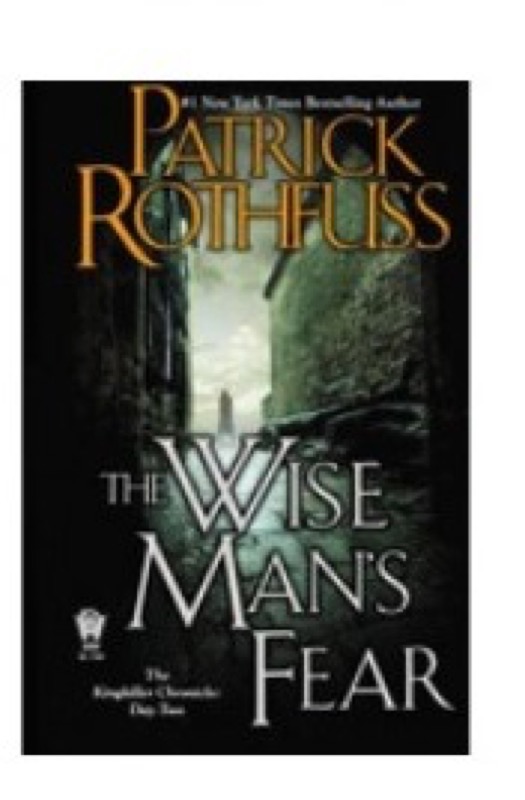
The Wise Man's Fear
Hook & thesis
In “The Wise Man’s Fear,” Patrick Rothfuss crafts a sprawling narrative that intertwines the pursuit of knowledge with the complexities of desire and power. Verdict: This novel brilliantly illustrates how the quest for self-identity can be as perilous as any external conflict.
The contextual pivot
Positioned within the subgenre of fantasy-romance, Rothfuss’s work stands apart for its lyrical prose and rich world-building, inviting readers into a universe that feels both familiar and exotic. This sequel to “The Name of the Wind” deepens the exploration of Kvothe’s character while expanding the narrative’s emotional stakes. Unlike traditional epic fantasies that often emphasize grand battles and clear-cut morality, Rothfuss delves into the gray areas of human relationships, making it accessible to general readers while still appealing to genre enthusiasts. The tension between fantasy and romance serves to elevate both elements, creating a unique bridge for those who might typically shy away from either category.
Deep-dive critique
Rothfuss’s structure employs a non-linear timeline that reflects the protagonist’s tumultuous journey through various realms of learning and emotional entanglement. The shifting perspectives enrich the narrative, allowing readers to explore Kvothe’s evolving identity and desires more deeply. However, this complexity can also serve as a double-edged sword; at times, the pacing feels erratic, shifting from moments of intimate revelation to grandiose adventures, which may disrupt the emotional resonance.
The prose is undeniably exquisite, with Rothfuss weaving intricate imagery and layered metaphors that elevate mundane interactions into extraordinary moments. For instance, the way Kvothe navigates his relationships with Denna and other key characters is imbued with an intensity that speaks to both vulnerability and longing. Yet, while characters are vividly drawn, some supporting figures lack the depth to balance Kvothe’s larger-than-life persona, leading to a sense of imbalance in emotional investment.
Dialogue shines, often serving as a vehicle for both character development and thematic exploration, though it can occasionally feel too verbose, bordering on self-indulgence. The emotional intensity, coupled with content warnings of fantasy violence, creates a charged atmosphere that is both alluring and unsettling. The ending, which leaves several threads tantalizingly unresolved, is both a strength and a point of contention; it invites speculation but may frustrate readers seeking closure.
Discussion launchpad
The duality of desire and power in relationships raises intriguing questions about autonomy and manipulation within the narrative. How these themes resonate with readers will vary significantly, making the text ripe for discussion.
Questions for the room:
- How does the novel’s treatment of desire shape our understanding of Kvothe as a hero?
- Do you find the emotional stakes compelling enough to overshadow the pacing issues?
- In what ways does Rothfuss challenge traditional fantasy and romance tropes?
- How do the unresolved threads at the end affect your overall experience—are they tantalizing or frustrating?
- What role does the concept of knowledge play in Kvothe’s emotional and romantic endeavors?
#TheOrchidRoom #fantasyromance #romantasy #darkromance #literaryanalysis