
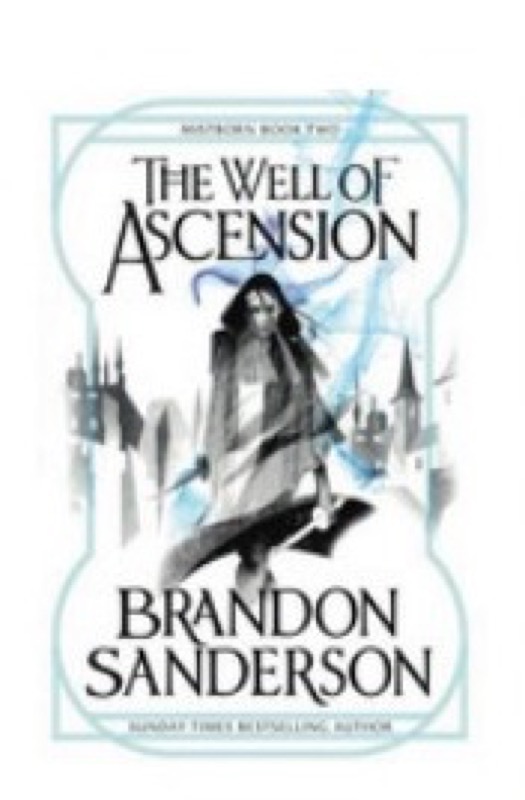
The Well of Ascension
Mistborn Book Two
Hook & thesis
In The Well of Ascension, Brandon Sanderson intricately weaves a narrative that explores the duality of power and vulnerability within a crumbling society. This book’s true engine lies in the tension between the desire for authority and the inherent fragility of human connection. Verdict: Sanderson’s masterful blend of intricate world-building and complex character dynamics elevates this sequel beyond mere fantasy, crafting a tale that is as thought-provoking as it is engaging.
The contextual pivot
The Well of Ascension stands as the second installment in Sanderson’s renowned Mistborn series, a cornerstone of contemporary fantasy that deftly combines elements of magic and politics. Sanderson’s work is noted for its innovative magic systems and character-driven plots, and this book is no exception. It bridges the niche of epic fantasy with a broader audience by incorporating romance and emotional stakes that resonate with general readers, allowing for a rich exploration of identity and morality. In comparison to authors like N.K. Jemisin or Patrick Rothfuss, Sanderson’s narrative possesses a unique blend of optimism and darkness, creating a landscape where hope and despair coexist.
Deep-dive critique
The structure of The Well of Ascension employs a multi-POV approach that invites readers to experience the internal conflicts of its protagonists, particularly Vin and Elend. This technique enriches the emotional complexity of the narrative and heightens the stakes as the characters navigate their vulnerabilities amidst external pressures. Sanderson’s pacing is deft, balancing moments of tension with quieter interludes that allow for character development and world-building, although some readers might find the middle sections lag slightly. The prose is polished, with dialogue that feels authentic and layered, particularly in moments of conflict where desire clashes with duty.
Thematically, the book excels in its exploration of trust and betrayal, reflecting on how power can corrupt even the most well-intentioned individuals. The emotional intensity invoked through Sanderson’s character arcs is palpable, driving home the notion that love often complicates loyalty, especially in a world fraught with political intrigue. However, the ending, while climactic, raises questions about the resolution of character arcs and the implications of the protagonists’ choices — a point that may divide readers on whether it feels entirely earned.
Discussion launchpad
Sanderson’s blend of high-stakes fantasy and deep emotional currents presents several polarizing elements that could fuel a robust discussion:
- The effectiveness of multi-POV storytelling: does it enhance or detract from individual character journeys?
- The balance of romantic elements within a larger fantasy narrative: does it enrich the story or dilute the stakes?
- The portrayal of power dynamics: how do the characters’ relationships reflect broader societal themes?
Questions for the room:
- How do you interpret the relationship between Vin and Elend in the context of their leadership roles?
- In what ways do the characters’ personal desires conflict with their responsibilities, and how does this tension drive the story?
- Do you believe the ending resolves the thematic questions posed throughout the narrative satisfactorily, or does it leave you wanting more?
#TheOrchidRoom #fantasyromance #darkromance #literaryanalysis #Mistborn