
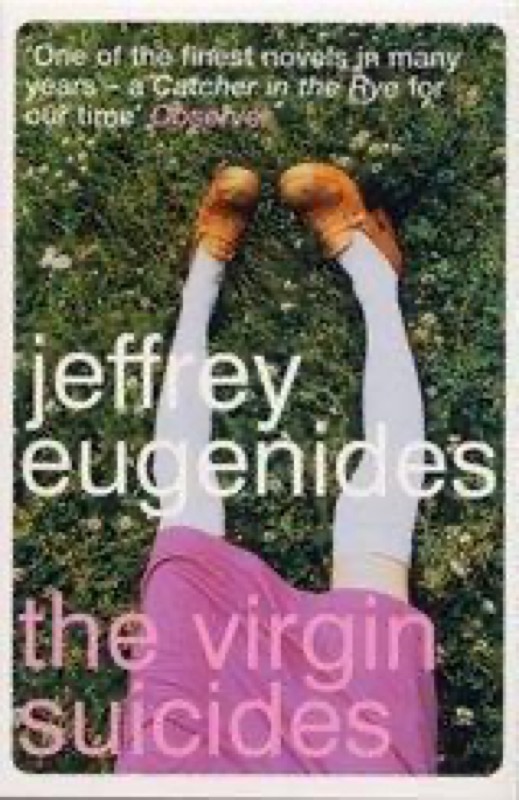
The Virgin Suicides
Hook & thesis
In The Virgin Suicides, Jeffrey Eugenides meticulously unveils the haunting narrative of the Lisbon sisters, a tale draped in the fog of suburban malaise and teenage despair. Verdict: This novel is a masterclass in how the ephemeral nature of desire intertwines with tragedy, forcing us to confront the unbearable weight of unfulfilled longing.
The contextual pivot
Eugenides’ work stands at the intersection of gothic horror and coming-of-age literature, a genre rich in psychological depth and existential quandaries. This story, while firmly rooted in the late 20th century suburban landscape, resonates with broader themes of isolation and the haunting specter of mental illness. Comparatively, it echoes the works of authors like Shirley Jackson and Donna Tartt, who similarly explore the intricate web of familial bonds and the darker sides of adolescence. The novel, with its tragic narrative arc, invites readers who might typically shy away from the genre, bridging the gap between niche gothic elements and a more general audience seeking the poignant exploration of youth and loss.
Deep-dive critique
Eugenides utilizes a unique narrative voice, delivered through a collective first-person perspective that creates an unsettling distance while simultaneously drawing the reader into the lives of the Lisbon sisters. This choice heightens the thematic tension, as the boys telling the story are both fascinated and paralyzed by their desire for the sisters, mirroring the readers’ voyeuristic impulse. The structure is meticulously crafted, with a pacing that mirrors the slow suffocation of the Lisbons’ lives under the oppressive weight of their environment.
The prose is ethereal yet precise, blending nostalgia with a sense of foreboding. Eugenides excels in his character work, infusing the sisters with an enigmatic quality that transcends mere adolescent archetypes. However, some may argue that the novel’s ending, steeped in a surreal ambiguity, raises questions about the narrative’s resolution—does it offer closure or amplify the cyclical nature of despair? The lush, haunting descriptions juxtaposed with the stark realities of the sisters’ fate serve both to enthrall and to unsettle, creating a lasting impression that lingers long after the final page.
Discussion launchpad
The lyrical quality of Eugenides’ writing invites admiration, yet the novel’s handling of sensitive topics may polarize readers. How do we navigate the balance between appreciating the art and acknowledging the pain it depicts?
Questions for the room:
- How does the use of a collective voice shape our understanding of the Lisbon sisters?
- In what ways does the setting function as a character within the narrative?
- Can we separate the aesthetic beauty of the prose from the dark themes it grapples with?
- How does Eugenides’ portrayal of teenage angst resonate with contemporary issues of mental health?
- What role does nostalgia play in shaping our perception of the sisters’ tragic end?
#TheOrchidRoom #gothic #horrorromance #coming-of-age #tragedy