
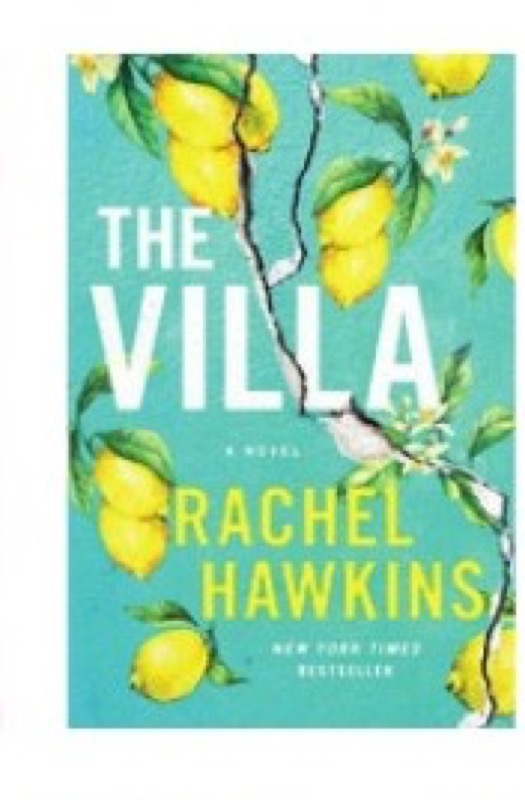
The Villa
A Novel
Hook & thesis
In Rachel Hawkins’ The Villa, the haunting echoes of past sins reverberate through a contemporary narrative, weaving together the threads of murder and betrayal in a secluded Italian estate. Verdict: This dark thriller masterfully dissects the duality of human desire and the insatiable thirst for revenge, culminating in a chilling exploration of what truly lies beneath the surface of our most cherished relationships.
The contextual pivot
The Villa nestles itself within the dark-thriller genre, standing shoulder to shoulder with the works of authors like Tana French and Paula Hawkins, who also navigate the murky waters of human psychology and moral ambiguity. The book appeals to a niche audience drawn to tales of gothic decay and suspense, yet it possesses a crossover potential that may intrigue general readers with its lush Italian backdrop and simmering tension. Hawkins’ oeuvre often flirts with themes of secrecy and familial dysfunction, and this installment feels like a natural progression, deepening her exploration into the sinister undercurrents of seemingly idyllic settings.
Deep-dive critique
Hawkins employs a dual-timeline structure, interlacing the contemporary narrative with a historical mystery that unfolds in the villa’s past. This choice enriches the story’s scope, allowing for a compelling examination of how history relentlessly haunts the present. However, the pacing occasionally falters; while the slow burn heightens suspense, there are moments where the narrative drags, diluting the urgency of the protagonists’ plight.
The prose is evocative, painting a vivid picture of the villa’s opulence juxtaposed against its dark secrets. Hawkins skillfully utilizes sensory details, immersing the reader in the setting while also cultivating a sense of dread. Character development shines through the complex relationships, particularly the protagonist’s fraught ties with her mother and her husband—both of whom embody secrets that threaten to unravel her sanity. The dialogue, however, occasionally slips into cliché, undermining the tension it aims to build.
The ending, while surprising, feels somewhat unearned; it raises questions about the characters’ motivations that remain frustratingly ambiguous, leaving the reader grappling with unresolved emotions rather than the satisfying closure often sought in thrillers.
Discussion launchpad
The Villa revels in its polarities, oscillating between the allure of romantic suspense and the chilling reality of human depravity. The interplay of past and present raises critical questions about accountability and the cycles of violence.
Questions for the room:
- Does the dual-timeline structure enhance the narrative, or does it create unnecessary complexity?
- How effectively does the setting contribute to the novel’s themes of deception and betrayal?
- Are the characters’ arcs satisfactorily resolved, or do they leave too many loose ends?
- What does The Villa suggest about the nature of familial bonds in the context of darkness and betrayal?
- How does Hawkins’ portrayal of the Italian landscape influence the story’s gothic elements?
#LiteraryAnalysis #GothicEdge #darkthriller #romanticsuspense #TheOrchidRoom