
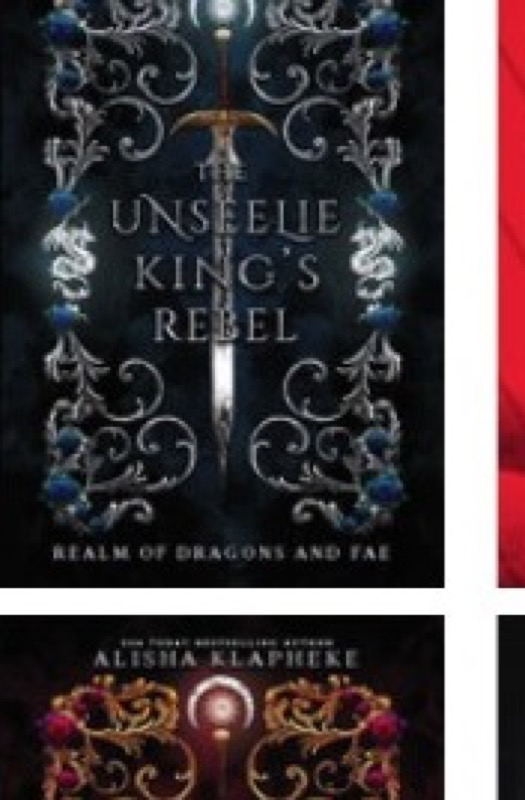
The Unseelie King's Rebel
Hook & thesis
In Alisha Klapheke’s The Unseelie King’s Rebel, the dance of power and passion becomes an intoxicating whirlwind that unveils the depths of rebellion and desire. Verdict: Klapheke masterfully entwines the dark allure of fantasy with a visceral exploration of autonomy, making this tale both a wicked delight and a feminist battle cry.
The contextual pivot
Nestled firmly within the fantasy-romance genre, Klapheke’s narrative draws from the well of both classic fairy tales and contemporary dark romance. This work engages a burgeoning audience that craves the complexity of morally ambiguous characters and the thrill of the supernatural. The author deftly bridges niche tropes — such as the rebellious heroine and the brooding fae king — to resonate with general readers, inviting them into a world where the stakes of love and loyalty are steeped in darkness. While not as widely recognized as some contemporaries, Klapheke’s ability to weave intricate emotional landscapes places her alongside writers like Sarah J. Maas and Holly Black, who similarly explore the intersections of power and romance in their fantastical realms.
Deep-dive critique
The structure of The Unseelie King’s Rebel plays with pacing that ebbs and flows like the tides of a tumultuous sea, mirroring the protagonist’s inner turmoil. By employing a dual-POV format, Klapheke allows readers to witness the conflicting desires of both the heroine and the king, enhancing the tension and stakes of their relationship. The dialogue sparkles with a mixture of flirtation and threat, underscoring the precariousness of their connection. Lines like, “You think you can tame the wild?” encapsulate the book’s thematic core—an exploration of autonomy versus entrapment.
However, the novel is not without its flaws. At times, the emotional intensity can veer into melodrama, and certain plot points feel rushed, undermining the careful world-building established earlier. The ending, while triumphant, leaves some narrative threads dangling, which may frustrate readers who prefer a complete resolution. Yet, the ambiguity of the final moments also serves to reinforce the central theme of rebellion — a refusal to conform to neatly tied conclusions.
Discussion launchpad
This novel invites a multitude of perspectives on themes of power, autonomy, and desire. Its dark elements can polarize readers: are the morally grey characters empowering or problematic?
Questions for the room:
- Does the portrayal of the Unseelie king challenge or reinforce traditional gender roles?
- How does Klapheke’s use of dual perspectives shift our sympathies between characters?
- In what ways does the emotional intensity serve the narrative, and where does it falter?
- Can the book’s lingering plot threads be viewed as a deliberate choice to reflect the chaos of rebellion?
- How does the blend of romance and fantasy influence your connection to the characters?
#TheOrchidRoom #fantasyromance #romantasy #darkromance #literaryanalysis