
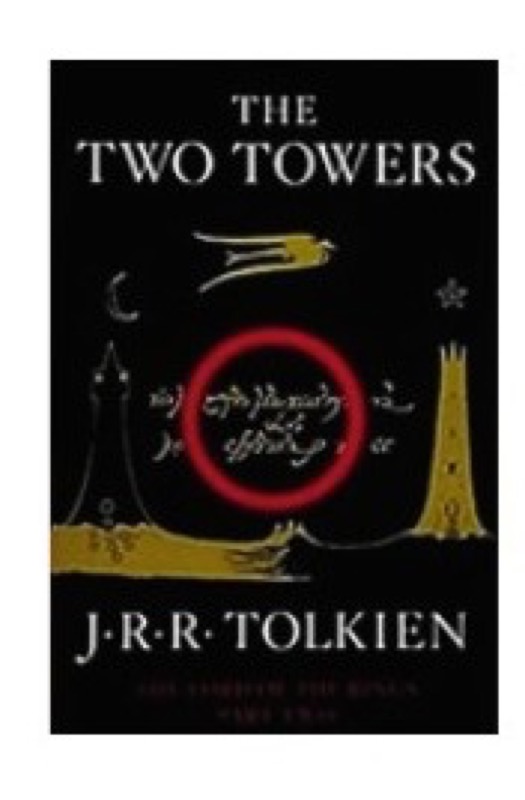
The Two Towers
The Lord of the Rings Part Two
Hook & thesis
In The Two Towers, J.R.R. Tolkien masterfully intertwines the threads of loyalty, despair, and the relentless pursuit of hope amidst an encroaching darkness. Verdict: This sequel not only deepens the emotional stakes of its characters but also fortifies the foundational battle between good and evil, proving that the heart’s desire can drive us to both heroic and tragic ends.
The contextual pivot
Positioned firmly within the epic fantasy genre, The Two Towers serves as a pivotal bridge in Tolkien’s monumental work, The Lord of the Rings. Unlike typical high fantasy that leans heavily on adventure tropes, Tolkien’s narrative delves into the psychological and emotional landscapes of its characters, revealing the very essence of their desires against the backdrop of a world steeped in myth and legend. It skillfully straddles the line between niche fantasy and broader literary appeal, inviting even those less familiar with the genre to explore its rich tapestries of loyalty and sacrifice. Readers familiar with Tolkien’s earlier works will notice a heightened complexity in character relationships and an exploration of darker themes, making this installment a crucial point of reflection and transformation.
Deep-dive critique
Tolkien’s structure in The Two Towers is a masterclass in pacing and perspective, oscillating between the fates of Frodo and Sam, and Aragorn, Legolas, and Gimli, creating a rhythmic tension that holds the reader captive. The intercutting of these dual narratives not only enhances suspense but also highlights the stark contrasts in their journeys—one a perilous trek toward the heart of darkness, the other a fight against the shadows encroaching upon their world.
The prose is dense yet lyrical, embodying a poetic quality that reflects the grandeur of Middle-earth while simultaneously grounding readers in the intimate struggles of its inhabitants. Characters are drawn with depth; Sam’s unwavering loyalty and Frodo’s internal conflict regarding the burden of the Ring serve as poignant reminders of the human condition.
However, some readers may find the dialogue at times overly archaic, which could hinder emotional accessibility, particularly for those unfamiliar with Tolkien’s stylistic choices. The thematic exploration of despair versus hope is richly woven throughout, culminating in an ending that feels both inevitable and earned, as the characters confront their darkest fears and the flickering lights of hope amid despair.
Discussion launchpad
While The Two Towers invites admiration for its intricate world-building and profound character development, polarities exist around its pacing and tonal shifts. The balance between epic battles and the introspective journey of the protagonists may either enthrall or disengage readers based on their preferences for action versus character-driven narratives.
Questions for the room:
- Does the dual narrative structure enhance or detract from the overall emotional impact?
- How effectively does Tolkien balance the grand themes of light and darkness with personal stakes?
- In what ways do the characters embody the tensions between hope and despair, and how does this reflect our contemporary struggles?
- Are Tolkien’s stylistic choices, particularly in dialogue, a barrier to engagement for modern readers?
#TheOrchidRoom #fantasyromance #romantasy #darkromance #TheTwoTowers