
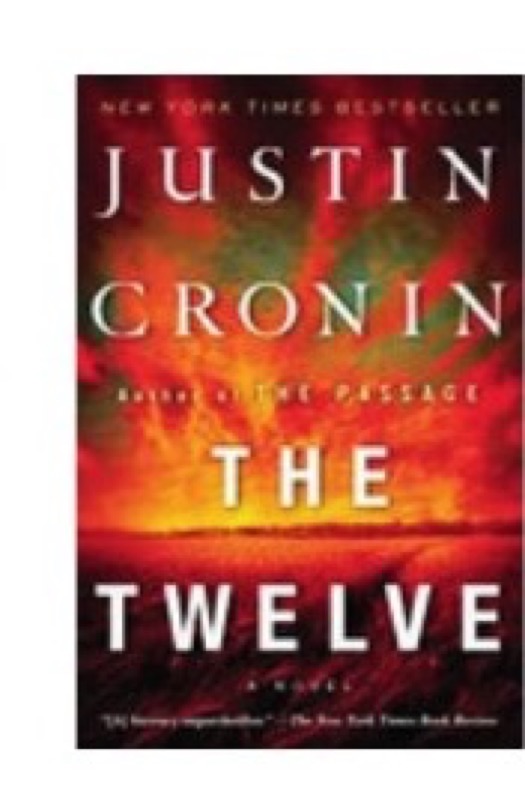
The Twelve
The Passage Book Two
Hook & thesis
In The Twelve, Justin Cronin delves into the depths of human despair and the haunting yearning for connection amidst a post-apocalyptic nightmare. Verdict: This book is a masterclass in weaving gothic horror with the complexities of love and survival, turning each page into a pulse of dread and longing.
The contextual pivot
As the sequel to The Passage, The Twelve sits firmly within the gothic-horror-romance genre, bridging the expansive themes of isolation and the primal need for companionship with visceral terror. Cronin’s narrative expands beyond mere horror tropes, engaging readers with an intricate exploration of human relationships in an increasingly desolate world. This novel subtly intertwines conventional horror elements with profound emotional stakes, appealing not only to genre aficionados but also to readers seeking deeper psychological insights. In doing so, Cronin positions himself alongside authors like Stephen King and Anne Rice, who also masterfully blend the macabre with the intimate.
Deep-dive critique
Cronin’s structure oscillates between timelines, deftly juxtaposing the present struggles of his characters against the eerie shadows of their pasts. This layering of narrative enhances the novel’s tension, as each revelation about the origins of the vampiric plague invites a renewed sense of dread and urgency. The pacing is deliberate, allowing the gothic atmosphere to seep into the reader’s consciousness, yet at times, it can feel excessive, occasionally stalling the narrative momentum.
Characterization is one of Cronin’s triumphs; the protagonists are imbued with depth and vulnerability, particularly through their relationships which echo the larger themes of love against adversity. However, some secondary characters may be perceived as underdeveloped, serving primarily as vessels for thematic exploration rather than as fully realized individuals. The dialogue crackles with tension, revealing the emotional stakes at play, though it occasionally veers into melodrama, which could alienate readers seeking a more restrained approach.
Thematic exploration of desire and the fear of loss is rich throughout the book, with the gothic elements amplifying the profound connection between love and mortality. The ending, while cathartic, may feel somewhat predictable for seasoned readers of the genre, raising questions about whether it truly honors the journey undertaken by the characters or simply recycles familiar tropes.
Discussion launchpad
Cronin’s The Twelve ignites a dichotomy of responses: can horror truly embody the complexities of love, or does it merely serve as a backdrop for more profound human emotions? The balance between genre expectations and deeper thematic exploration may polarize readers.
Questions for the room:
- How effectively does Cronin balance horror elements with the emotional arcs of his characters?
- Are the secondary characters merely tools for thematic exposition, or do they enhance the narrative?
- Does the ending feel like a satisfying culmination of themes, or is it a conventional resolution that undermines the story?
- In what ways does the setting amplify the emotional stakes of the narrative?
- How does Cronin’s prose style contribute to the gothic atmosphere of the novel?
#TheOrchidRoom #gothic #horrorromance #TheTwelve #literaryanalysis #darkheartlabs