
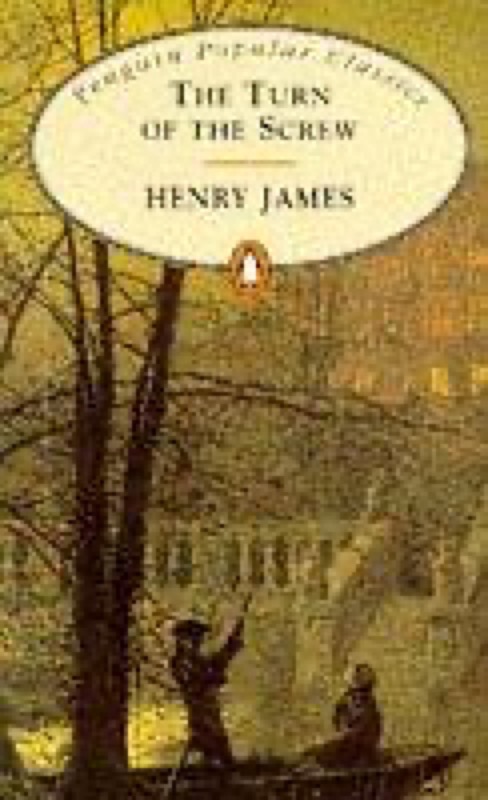
The Turn of the Screw
Hook & thesis
Henry James’s novella The Turn of the Screw serves as a haunting exploration of the interplay between innocence and corruption through the unreliable perceptions of its protagonist. Verdict: This work masterfully blurs the lines between reality and madness, inviting readers to question the true nature of the ghosts that haunt the characters.
The contextual pivot
The Turn of the Screw is a quintessential piece within the gothic horror genre, yet it transcends mere supernatural thrills by delving into psychological complexities. Positioned alongside works by authors like Edgar Allan Poe and Charlotte Perkins Gilman, James’s narrative uniquely invites readers into a realm where ambiguity reigns. The invisible audience encompasses both enthusiasts of classic horror and those intrigued by psychological narratives, making this novella relevant to a broader readership than typical niche horror.
Deep-dive critique
James employs a circular narrative structure, placing the reader in a frame story that amplifies the tension of the inner tale. The use of a first-person point of view from the governess creates a subjective lens through which the events unfold, often leaving readers unsure of what to believe. The pacing, marked by a slow build-up of dread, complements the thematic exploration of psychological manipulation and the fragility of innocence, particularly in the interactions with the children, Miles and Flora. The dialogue is particularly revealing; it oscillates between innocent banter and chilling undercurrents, effectively heightening the sense of foreboding. However, some may argue that the ambiguity—intentionally crafted—might frustrate those seeking clear resolutions, leading to a polarizing reception of the ending that feels both earned and elusive.
Discussion launchpad
The nuanced themes and psychological depth of The Turn of the Screw can spark intense debate.
- What does the ambiguity surrounding the ghosts reveal about the characters’ psyches?
- Is the governess a reliable narrator, or is she as much a product of her environment as the children?
- How does the novella reflect societal anxieties about sexuality and morality in the Victorian era?
Questions for the room:
- Do you think the lack of definitive answers enhances or detracts from the story?
- How do the themes of innocence and corruption resonate in today’s context?
- What role does the setting play in shaping the characters’ experiences?
#LitClass #Grade11 #RequiredReading #gothic #psychologicalthriller