
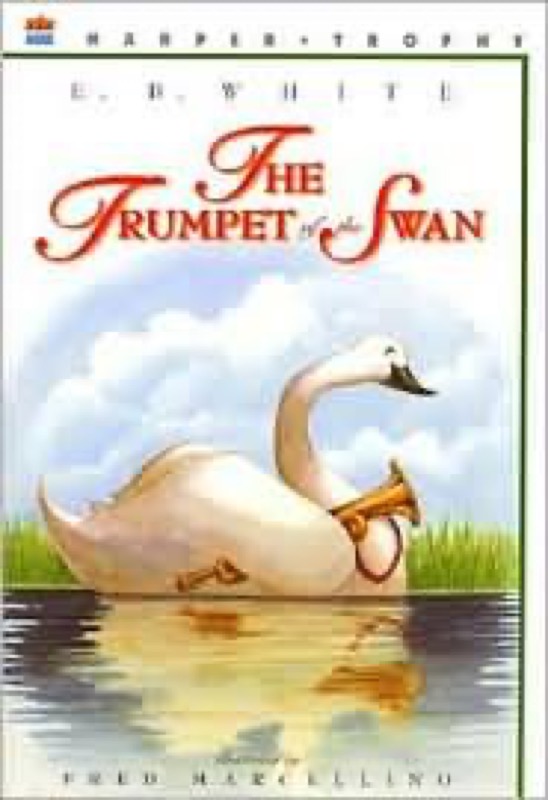
The Trumpet of the Swan
Hook & thesis
E.B. White’s The Trumpet of the Swan is a heartwarming tale about a young swan named Louis who overcomes his challenges through determination and creativity. Verdict: This book beautifully illustrates the power of finding one’s voice, both literally and metaphorically.
The contextual pivot
As a staple in children’s literature, White’s work sits alongside other classics like Charlotte’s Web and Stuart Little, showcasing his mastery of storytelling through animal protagonists. The book appeals to a broad audience, allowing young readers to engage with themes of individuality and self-expression, while also bridging the gap to adult readers through its gentle humor and poignant moments.
Deep-dive critique
The structure of The Trumpet of the Swan effectively mirrors Louis’s journey, pacing the narrative to reflect his growth and struggles. The third-person point of view allows readers to connect deeply with Louis’s internal conflicts, especially his desire to communicate despite his inability to make sounds. White’s prose is both lyrical and accessible, delivering vivid imagery of the Canadian wilderness, which enhances the world-building and immerses readers in Louis’s environment. Furthermore, the dialogue is charmingly crafted, capturing the essence of the characters and their relationships, particularly the bond between Louis and his father. The ending feels earned; Louis not only learns to embrace his uniqueness but also discovers how to share it with others—an uplifting conclusion that resonates with the book’s core messages.
Discussion launchpad
The book raises intriguing questions about identity and communication that could spark lively debate among readers.
- How does Louis’s struggle with his voice reflect real-life challenges faced by children?
- In what ways do you think the animal characters serve to highlight human emotions and experiences?
- Does the resolution offer a realistic outlook on overcoming obstacles, or does it veer into idealism?
- How does the book compare to other animal-centric stories in terms of theme and character development?
Questions for the room:
- What role does creativity play in overcoming adversity in Louis’s journey?
- How do you interpret the relationship between Louis and his father?
- What message do you think White intended for his young readers regarding individuality?
#BookReport #Grade3 #ReadingLog #children’sliterature #classic