
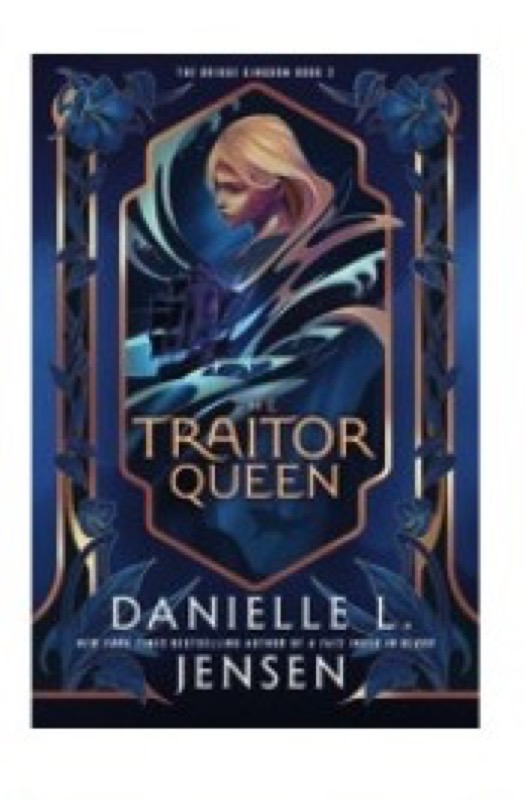
The Traitor Queen
The Bridge Kingdom Book 2
Hook & thesis
In The Traitor Queen, Danielle L. Jensen intricately weaves a tale of love, vengeance, and the moral complexities of power within a richly imagined fantasy realm. At its heart, this novel examines the corrosive effects of betrayal and the arduous journey toward redemption. Verdict: Jensen crafts a spellbinding narrative that reveals how the heart, when bruised, can become both a fortress and a weapon.
The contextual pivot
This sequel to The Bridge Kingdom firmly establishes itself within the fantasy-romance genre, where magical realms often collide with the raw intensity of human emotions. Jensen’s work is comparable to that of Sarah J. Maas and Jennifer L. Armentrout, both of whom also explore the intersection of desire and conflict in fantastical settings. The narrative transcends traditional tropes of enemies-to-lovers and political intrigue, appealing to both niche fantasy enthusiasts and general readers drawn to complex character dynamics and moral quandaries. Jensen deftly balances elements of romance and fantasy, making the book accessible while still satisfying genre aficionados.
Deep-dive critique
The structure of The Traitor Queen is notable for its dual narratives that alternate between the perspectives of its two protagonists, allowing readers to navigate their conflicting motivations and emotions. This choice of dual POV heightens the tension and deepens the reader’s investment in the central conflict. Jensen’s pacing fluctuates between moments of heart-pounding action and reflective interludes that delve into the characters’ psyches, thereby amplifying the stakes of their romantic entanglement.
The prose is lush and evocative, capturing both the beauty of the world and the turmoil of its characters. Jensen excels in world-building, painting vivid landscapes that feel both enchanting and perilous. However, certain dialogue exchanges occasionally falter, leaning towards exposition rather than genuine character interaction, which can disrupt the immersive quality of the narrative.
Moreover, the themes of betrayal and redemption are woven seamlessly throughout the plot, culminating in an ending that feels both unexpected and earned. The resolution of the protagonists’ arcs does not shy away from acknowledging the moral grayness of their choices, inviting readers to ponder the complexities of love and loyalty.
Discussion launchpad
Jensen’s The Traitor Queen invites discussions around the nature of power dynamics in relationships and the consequences of betrayal, which can polarize readers deeply.
Questions for the room:
- How do the characters’ moral complexities challenge conventional romantic archetypes?
- In what ways does the dual POV enhance or detract from the emotional impact of the story?
- Is the resolution of the characters’ arcs satisfying, or does it feel like a concession to genre expectations?
- How does Jensen’s portrayal of female agency in a fantasy setting compare to other authors in the genre?
- What does the book suggest about the nature of forgiveness and the possibility of redemption?
#TheOrchidRoom #fantasyromance #darkromance #literaryanalysis #TheTraitorQueen