
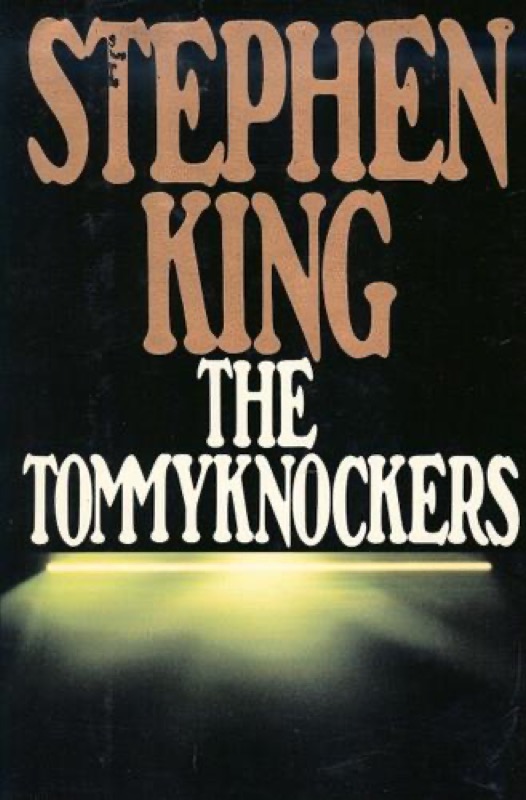
The Tommyknockers
Hook & thesis
Stephen King’s The Tommyknockers serves as a chilling exploration of the cost of unchecked ambition and the erosion of humanity under alien influence. Verdict: This narrative masterfully intertwines the grotesque with the familiar, revealing how obsession can metamorphose into a haunting, collective madness.
The contextual pivot
Nestled within the gothic-horror-romance genre, The Tommyknockers occupies a unique space in King’s oeuvre, standing alongside works like It and Pet Sematary, which similarly wrestle with the intersection of the supernatural and the human psyche. The book extends its reach beyond niche horror enthusiasts, appealing to a broader audience through its vivid portrayal of small-town life tainted by an extraterrestrial presence. The invisible audience may include those grappling with themes of addiction and paranoia, as King deftly weaves societal critiques into the fabric of his narrative.
Deep-dive critique
The structure of The Tommyknockers oscillates between a slow-burn buildup and frenetic climaxes, mirroring the duality of its characters’ experiences—torn between their humanity and the alien force that grips them. King’s choice of a third-person omniscient point of view allows for a panoramic view of the town of Haven, creating a rich tapestry of interconnected lives that ultimately unravel. This perspective serves to heighten the tension, as readers are privy to the thoughts and fears of multiple characters, enhancing the sense of impending doom.
Characterization is one of King’s great strengths here; the protagonist, Bobbi Anderson, is both relatable and tragic as she transitions from a struggling writer to an obsessive architect of the alien technology she unearths. Her descent into madness is punctuated by dialogue that crackles with desperation and urgency, illustrating her internal conflict. However, the novel sometimes falters in pacing, particularly in its latter half, where the plot can feel overextended, leading to moments that lack the same intensity as the earlier sections.
The thematic exploration of addiction—both to substances and the seductive allure of power—rings particularly true, offering a disturbing reflection on human vulnerability. King’s prose, often laced with dark humor, provides a counterbalance to the horror, yet it is in these moments of levity that the underlying dread becomes even more palpable. The ending, while climactic, invites mixed feelings; it feels earned in its horror but leaves questions about the characters’ fates that linger unsettlingly.
Discussion launchpad
King’s The Tommyknockers presents polarities that may divide readers. The juxtaposition of horror and dark humor raises questions about the book’s tone and intent.
Questions for the room:
- Does the slow pacing detract from the novel’s tension, or does it build a necessary atmosphere?
- In what ways does King’s portrayal of addiction resonate with contemporary societal issues?
- How effective is the third-person narration in conveying the horror? Would a different perspective have altered the story’s impact?
- Can the grotesque elements overshadow the emotional weight of the characters’ journeys?
- What unresolved questions linger after the conclusion, and how do they affect your overall reading experience?
#TheOrchidRoom #gothic #horrorromance #sci-fi #psychological