
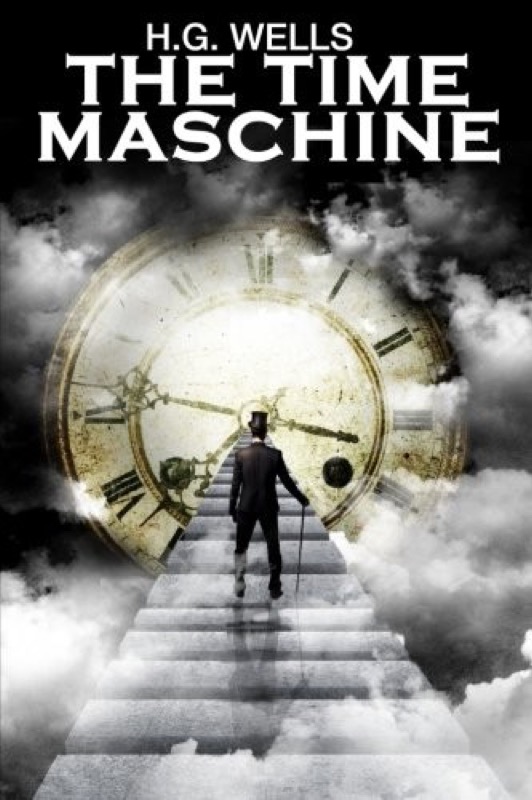
The Time Machine
Hook & thesis
H.G. Wells’ The Time Machine is a pioneering exploration of time travel that probes the depths of human evolution and societal decay. Verdict: This work deftly intertwines speculative fiction with philosophical inquiry, offering a chilling reflection on the trajectory of humanity.
The contextual pivot
Set against the backdrop of late 19th-century Victorian England, The Time Machine stands at the intersection of science fiction and social critique. As one of the earliest works in the genre, it establishes a foundation for future narratives on time travel, echoing through the works of contemporaries like Jules Verne and later authors such as Philip K. Dick. Wells’ inventive approach appeals to a varied audience, bridging the niche of speculative literature with broader themes of evolution and societal hierarchies that resonate with general readers.
Deep-dive critique
Wells employs a frame narrative structure, introducing the concept of time travel through a dinner conversation, which serves to both engage readers and ground the fantastical elements in relatable discourse. This choice effectively sets the stage for the protagonist’s journey, allowing readers to contemplate the implications of his adventure alongside him. The pacing gradually accelerates as the Time Traveler ventures further into the future, revealing the stark contrast between the initial hopefulness of the Victorian era and the bleak realities of the distant future.
Characterization is one of the work’s strengths, particularly in the Time Traveler himself, whose intellectual curiosity clashes with the chilling realities he encounters. The Eloi and Morlocks serve as allegories for class disparity, illustrating Wells’ critique of contemporary society. The dialogue, while occasionally stilted, captures the philosophical debates of the time, though some may find it cumbersome in its exposition. Wells’ world-building is vivid, creating a hauntingly beautiful yet horrifying vision of the future that lingers in the reader’s mind.
However, the ending, while thought-provoking, may feel abrupt to some. The Time Traveler’s fate remains uncertain, leaving readers grappling with both hope and despair, which may resonate differently depending on one’s perspective on progress and regression.
Discussion launchpad
Wells’ narrative raises essential questions about humanity’s future, and this tension may polarize readers.
Questions for the room:
- How effectively does Wells balance science and philosophy in his narrative?
- Do you find the portrayal of the Eloi and Morlocks to be a fair representation of class struggles?
- What does the uncertain ending imply about Wells’ perspective on human evolution?
- In what ways does The Time Machine reflect modern anxieties about technological advancement?
- Can the book still hold relevance for today’s readers, and if so, how?
#LiteraryAnalysis #darkthriller #sciencefiction #philosophical #theorchidroom