
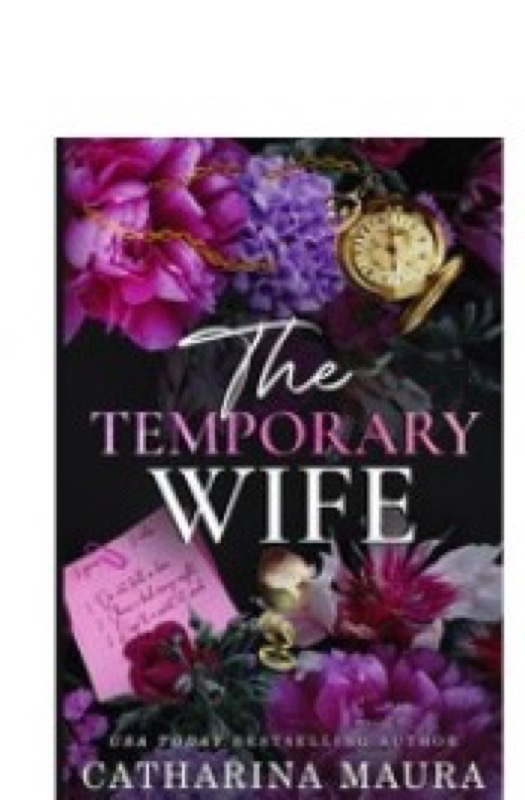
The Temporary Wife
Hook & thesis
In “The Temporary Wife,” Catharina Maura deftly navigates the intricate maze of arranged marriages to unveil the complexities of desire, power, and emotional entanglements. Verdict: This novel is a captivating exploration of how the constraints of societal expectations can ignite an unexpected passion that defies logic.
The contextual pivot
Positioned within the contemporary arranged-marriage subgenre, Maura’s work stands alongside titles like “The Marriage Contract” by Melanie Harlow and “The Wedding Date” by Jasmine Guillory. While these books often flirt with light-hearted rom-com tropes, Maura delves into the darker undercurrents of love forged under duress, tapping into a broader audience that appreciates the tension between duty and desire. The invisible audience is likely seeking more than mere escapism; they crave a deeper exploration of the human heart’s machinations, making this novel a bridge between niche tropes and mainstream appeal.
Deep-dive critique
Maura’s structure—split between alternating perspectives—serves to heighten the tension as the characters navigate their contractual relationship. The pacing is deliberate, allowing the reader to savor the gradual unraveling of the protagonists’ defenses, which skillfully mirrors the unfolding of their emotional landscape. The dual point of view enriches the narrative, revealing the conflicting motivations and vulnerabilities that drive each character.
Craft-wise, Maura excels in her use of dialogue, which crackles with chemistry while simultaneously exposing the characters’ insecurities. For instance, the small moments of vulnerability interspersed with sharp retorts create a dynamic push-and-pull, reflecting the complexities of their arranged situation. However, the narrative occasionally falters in world-building; the opulence of the billionaire lifestyle is presented vividly, yet there are moments when the societal implications of their arrangement feel glossed over, leaving a sense of imbalance in the thematic exploration.
The ending, while romantic, teeters on the edge of predictability. It offers resolution but could benefit from a more nuanced exploration of the characters’ emotional growth. This slight misstep in the resolution leaves the reader questioning the authenticity of the characters’ transformation, which is essential for a narrative steeped in such intense human conflict.
Discussion launchpad
The interplay of duty and desire invites rich discussion, particularly about how Maura’s choices reflect broader societal norms.
Questions for the room:
- How does the power dynamic between the characters shape their relationship?
- In what ways does the novel challenge or reinforce traditional views of marriage?
- Do you find the ending satisfying, or does it feel like a concession to genre expectations?
- What role does vulnerability play in the characters’ development, and how effectively is it portrayed?
- How does the author’s portrayal of wealth influence the characters’ decisions and desires?
#TheOrchidRoom #arrangedmarriage #darkromance #billionaireromance #literaryanalysis