
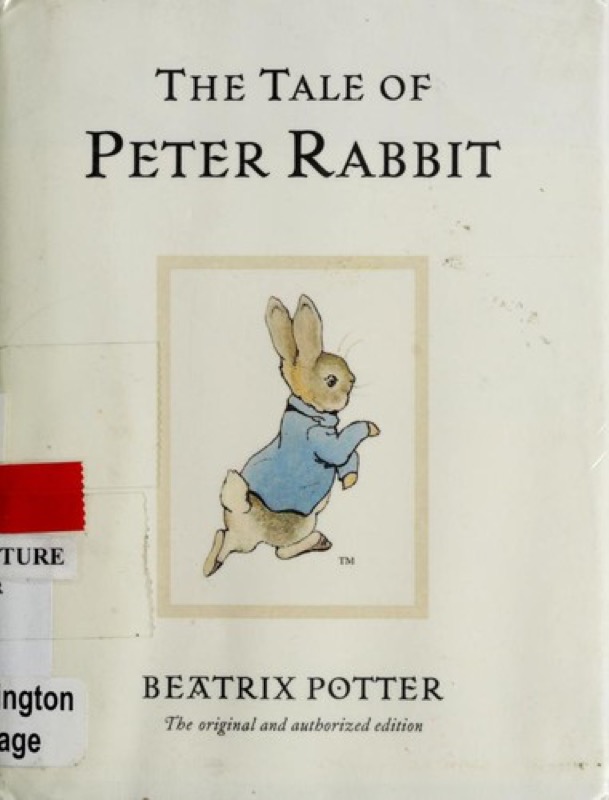
The Tale of Peter Rabbit (World of Beatrix Potter, #1)
World of Beatrix Potter
Hook & thesis
Beatrix Potter’s The Tale of Peter Rabbit subverts the idyllic pastoral narrative, revealing the raw edges of nature and the tension between innocence and consequence. Verdict: This beloved classic serves as a cautionary tale, cloaked in the veneer of whimsy, which ultimately exposes the darker truths lurking beneath childhood adventure.
The contextual pivot
Nestled within the realm of children’s literature, Potter’s work operates at the intersection of gothic motifs and romantic idealism. Its anthropomorphic characters and pastoral settings echo the lyrical style of contemporaries like Kenneth Grahame and A.A. Milne, yet Potter’s narrative carries an undercurrent of dread and consequence that is often overlooked. The invisible audience here is not merely children but also adults who are reminded of the fragility of youthful innocence—a theme that resonates deeply across generations. Potter bridges niche tropes with a broader appeal, making her work timeless in its exploration of fear, nature, and the moral lessons of disobedience.
Deep-dive critique
At first glance, the structure of The Tale of Peter Rabbit appears straightforward, yet it is meticulously crafted to evoke tension and moral complexity. The pacing, particularly in the moments leading to Peter’s encounters with Mr. McGregor, builds an almost palpable anxiety, mirroring the protagonist’s internal conflict between curiosity and the looming threat of danger. The narrative’s third-person perspective allows readers a god-like view of Peter’s folly, creating a sense of dread that amplifies the stakes of his disobedience.
Potter’s prose is deceptively simple, layered with vivid imagery that constructs a world both enchanting and treacherous. The dialogue, although minimal, serves its purpose—Peter’s exchanges with his mother highlight naivety while also foreshadowing impending peril. Furthermore, the dichotomy of the idyllic garden and the menacing presence of Mr. McGregor is a brilliant reflection of nature’s duality, underscoring the theme that beauty often conceals danger.
However, the book’s ending, while serving as a resolution, can feel abrupt, leaving readers to ponder the long-term implications of Peter’s adventure. The consequence of his actions—being captured and subsequently escaping—merely scratches the surface of the deeper themes of obedience and the transition from innocence to experience. This tension is what makes Potter’s work resonate; it is a gentle warning wrapped in a charming narrative.
Discussion launchpad
Potter’s The Tale of Peter Rabbit provokes a rich dialogue about the nature of childhood and the lessons embedded within seemingly simple stories. The interplay between innocence and danger is bound to spark debate among readers.
Questions for the room:
- How does the duality of nature in the story impact your interpretation of Peter’s journey?
- In what ways do you think the book’s moral lesson translates to contemporary childhood experiences?
- Is the abrupt ending a flaw or a deliberate choice to provoke thought about consequences?
- How do Potter’s animal characters serve as a lens through which we can explore human behaviors and societal norms?
- Can we consider Peter Rabbit a gothic figure, and what does that say about the nature of childhood stories?
#TheOrchidRoom #gothic #horrorromance #childrensliterature #BeatrixPotter