
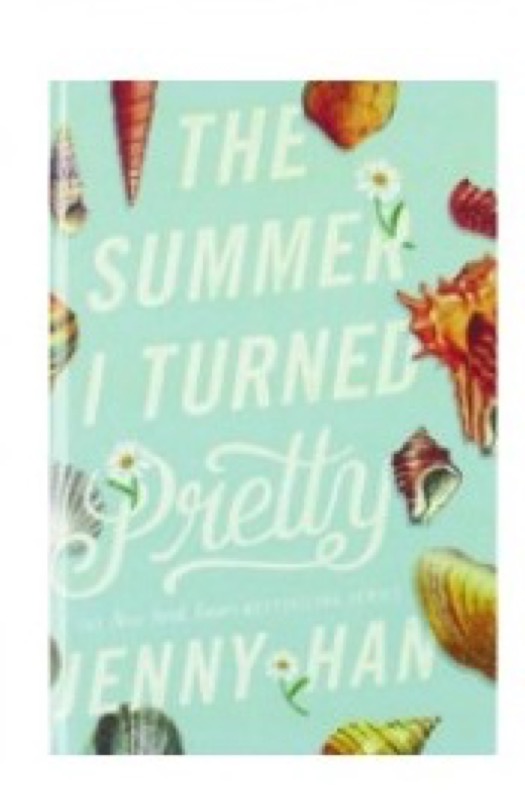
The Summer I Turned Pretty
Hook & thesis
In Jenny Han’s The Summer I Turned Pretty, the author masterfully navigates the tumultuous waters of adolescence, exploring the entangled emotions of first love and heartbreak in the context of a seemingly idyllic summer. Verdict: This novel brilliantly captures the bittersweet nature of young desire, revealing that the true engine of the story lies not in the romance itself, but in the painful awakening to the complexities of love and loss.
The contextual pivot
Positioned within the forbidden love genre, Han’s work resonates deeply with the emotional undercurrents characteristic of young adult fiction. It invites comparisons to authors like Sarah Dessen and Rainbow Rowell, who similarly dissect the intricacies of teenage relationships. While Han’s narrative is steeped in the familiar tropes of summer romance and the nostalgia of youth, it also challenges these conventions by incorporating darker themes of longing and the inevitable passage of time. The book’s appeal extends beyond its target demographic, bridging niche themes of adolescent angst and romantic yearning to a broader audience that appreciates intricately woven emotional landscapes.
Deep-dive critique
Han’s structural choices are pivotal, employing a first-person perspective that allows readers to intimately experience the protagonist’s internal struggles and desires. The pacing, marked by the languorous days of summer, mirrors the protagonist’s emotional state, creating a rhythm that evokes both the exhilaration and trepidation of first love. The dialogue is sharp and reflective, capturing the often awkward exchanges of young romance while also hinting at deeper emotional currents.
The prose combines vivid imagery with understated poignancy, effectively building a world that feels both enchanting and melancholic. However, there are moments where the narrative feels overly reliant on tropes, such as the love triangle, which, while adding tension, risks flattening the complexity of the characters’ motivations. The ending, though satisfying in its resolution of the protagonist’s journey, leaves some threads tantalizingly unresolved, inviting reflection on the nature of choice and consequence in love.
Discussion launchpad
Han’s exploration of the bittersweet nature of young love raises compelling questions about emotional maturity and the realities of desire. The novel’s nuanced portrayal of relationships invites both admiration and critique, making it ripe for discussion.
Questions for the room:
- How does the depiction of the love triangle enhance or detract from the protagonist’s journey?
- What roles do family dynamics play in shaping the characters’ perceptions of love?
- In what ways does Han challenge or reinforce traditional romance tropes?
- How does the setting function as a character in its own right, influencing the emotional landscape of the story?
- What unresolved questions linger about the characters’ futures after the conclusion?
#TheOrchidRoom #forbiddenlove #darkromance #YA #literaryanalysis