
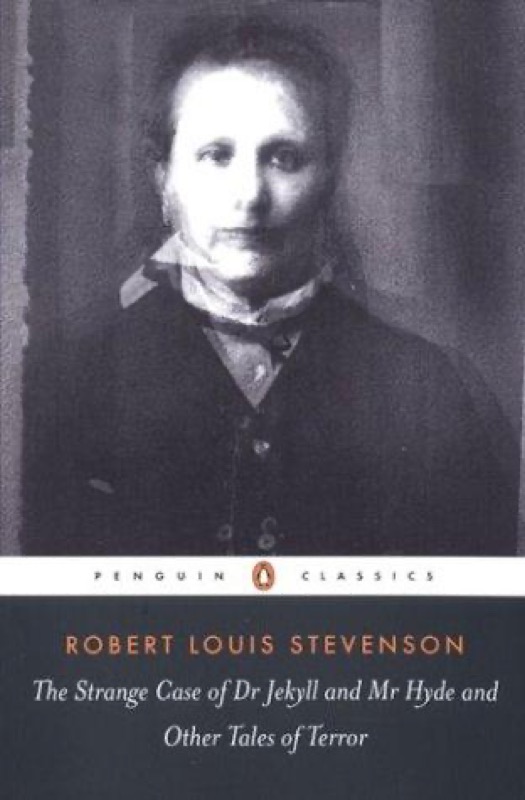
The Strange Case of Dr. Jekyll and Mr. Hyde and Other Tales of Terror
A chilling exploration of duality and the human psyche.
Hook & thesis
Robert Louis Stevenson’s The Strange Case of Dr. Jekyll and Mr. Hyde and Other Tales of Terror delves into the complexities of human nature, exploring the duality of self and the moral conflicts that arise within. Verdict: The narrative’s true engine lies in its profound examination of the struggle between civility and savagery, ultimately revealing that the darkest aspects of humanity are often self-inflicted.
The contextual pivot
In the realm of gothic horror, Stevenson’s work stands as a cornerstone, bridging the Victorian era’s fascination with the psychological and the supernatural. This collection, particularly Jekyll and Hyde, reflects societal anxieties about morality and the human psyche during a time when scientific progress was unsettling traditional beliefs. Stevenson’s ability to weave horror with psychological depth appeals both to genre enthusiasts and general readers, making themes of duality and repression accessible to a broader audience.
Deep-dive critique
The structure of Jekyll and Hyde, characterized by its fragmented narrative and shifting perspectives, effectively mirrors the internal conflict of its protagonist. The pacing heightens tension; as Jekyll’s transformations become more frequent, the reader feels the mounting dread of his descent into moral chaos. Stevenson’s use of vivid imagery and sharp dialogue enhances character development, particularly in depicting Hyde’s raw, instinctual nature against Jekyll’s restrained demeanor. However, certain supporting tales in the collection, while rich in atmosphere, lack the same thematic cohesion, occasionally veering into contrived scenarios that dilute the overall impact.
The ending of Jekyll and Hyde is particularly powerful and earned, as it encapsulates the tragic consequences of unchecked duality and the ultimate surrender to one’s darker impulses. Stevenson’s prose, laden with symbolism—like the contrasting settings of the foggy streets of London versus the sterile confines of Jekyll’s laboratory—serves to reinforce the thematic explorations of identity and morality.
Discussion launchpad
Stevenson’s exploration of duality presents a dichotomy that invites debate and reflection. The psychological horror of his tales raises questions about the nature of evil and personal responsibility.
Questions for the room:
- How does Stevenson’s portrayal of duality resonate with contemporary understandings of identity?
- In what ways does the setting enhance the themes of the stories?
- Can we sympathize with Jekyll’s choices, or is he wholly culpable for the chaos he creates?
- What role does societal expectation play in the transformation of the characters?
- Are Stevenson’s themes still relevant in today’s context of mental health and societal pressures?
#LitClass #Grade11 #RequiredReading #gothic #horror