
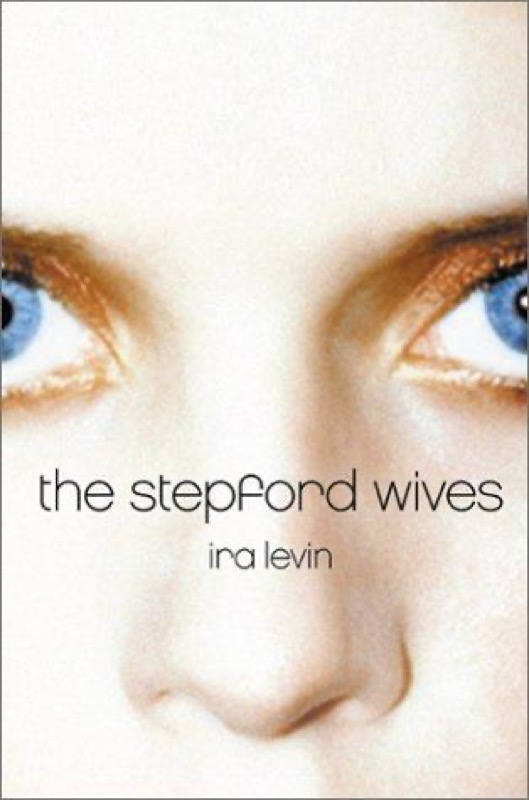
The Stepford Wives
A chilling exploration of conformity and the dark side of suburban life.
Hook & thesis
Ira Levin’s The Stepford Wives deftly unearths the sinister currents of conformity lurking beneath the facade of suburban bliss. Verdict: A chilling meditation on autonomy and identity, this novel serves as a timeless warning that the sacrifice of self for societal approval can lead to a haunting silence.
The contextual pivot
Nestled within the gothic-horror-romance genre, The Stepford Wives stands as a harrowing commentary on gender roles and societal expectations, drawing parallels to works like Margaret Atwood’s The Handmaid’s Tale and Shirley Jackson’s We Have Always Lived in the Castle. Levin’s narrative straddles the line between psychological thriller and dystopian cautionary tale, making it accessible to both genre aficionados and general readers who may be more familiar with contemporary feminist discourse. The invisible audience is likely those grappling with issues of identity and autonomy, transcending niche tropes to resonate broadly in today’s cultural landscape.
Deep-dive critique
Levin’s structural choices amplify the novel’s themes, weaving a tight, suspenseful narrative that captures the protagonist, Joanna, as she navigates the increasingly unsettling atmosphere of Stepford. The pacing is methodical, reflecting Joanna’s gradual descent into paranoia—a clever design that mirrors her loss of control. The third-person limited point of view maintains an intense focus on Joanna’s internal struggles, allowing readers to feel the weight of her isolation and dread.
The prose is both sharp and evocative, with Levin’s keen eye for detail painting the idyllic yet oppressive suburban setting in stark contrast to the dark realities at play. This juxtaposition creates a palpable tension that lingers long after the final page. Character development, particularly that of Joanna, is robust; her evolution from an empowered woman to a mere echo of her former self is a haunting portrayal of manipulation and loss of autonomy. The supporting characters, while initially appearing endearing, morph into chilling embodiments of conformity, effectively representing the novel’s central conflict.
However, some may argue that the ending feels abrupt and perhaps too neatly tied up, which could undermine the gravity of Joanna’s struggle. Yet, this conclusion serves as a stark reminder of the insidious nature of societal pressures—an open-ended question that leaves readers pondering the implications of such stark conformity.
Discussion launchpad
The novel invites heated debate on the following polarities:
- The tension between individuality and societal expectations: is sacrifice ever justified?
- The role of gender in the narrative: does Levin reinforce or subvert traditional gender roles?
- The effectiveness of horror in delivering political commentary: does the psychological terror enhance or detract from the message?
Questions for the room:
- How does Levin’s portrayal of Stepford reflect contemporary societal norms?
- In what ways does the book challenge or reinforce your understanding of feminism?
- What are the implications of losing one’s autonomy in the pursuit of acceptance?
- How do you interpret the ending—what does it signify for Joanna and for broader societal commentary?
- Can the themes of The Stepford Wives be applied to modern-day discussions about gender and identity?
#TheOrchidRoom #gothic #horrorromance #dystopian #feminism