
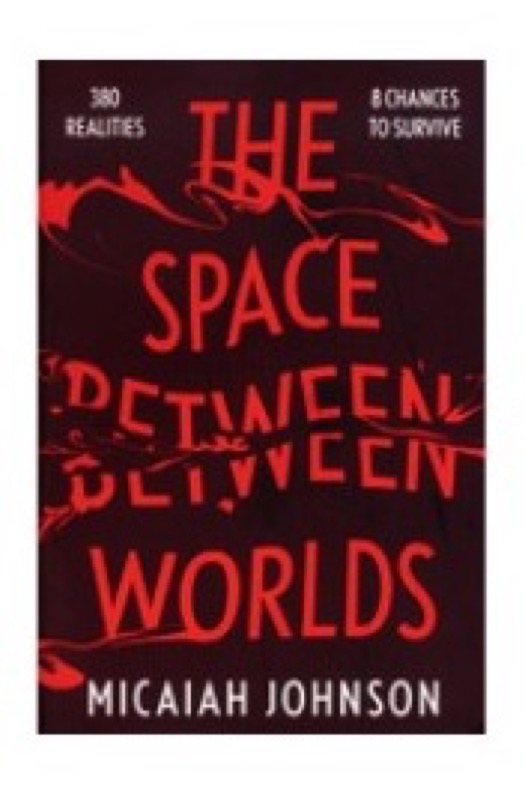
The Space Between Worlds
380 realities. 8 chances to survive.
Hook & thesis
Micaiah Johnson’s The Space Between Worlds deftly navigates the tumultuous waters of identity, privilege, and survival across multiverses, revealing the fractures within a society that rewards the lucky few while condemning the many. Verdict: This novel is a haunting exploration of how our realities are molded by circumstances beyond our control, making it a powerful commentary on class and existence.
The contextual pivot
Set within the burgeoning genre of fantasy-romance, The Space Between Worlds emerges as a distinct voice that blurs the lines between speculative fiction and social commentary. Johnson’s exploration of the multiverse hinges on the intriguing premise that one can only travel to worlds where their counterpart is already dead, positioning the narrative as a reflection on privilege and the human condition. This book not only appeals to genre enthusiasts but also invites general readers to ponder the complexities of identity and belonging, much like works by authors such as N.K. Jemisin and Tamsyn Muir, who skillfully intertwine societal critique with fantastical elements.
Deep-dive critique
The narrative is structured through the eyes of Cara, whose journey across the multiverse serves as a metaphor for the societal divide that dictates our realities. Johnson employs a dual timeline, contrasting Cara’s life in her home world with the lives of her counterparts, and the pacing is at times deliberate, allowing the reader to absorb the weight of her experiences. This choice amplifies the sense of urgency when Cara must confront the stark differences between her existence and that of those in other realms.
The prose is both lyrical and sharp, with moments of profound insight juxtaposed against the harsh realities of violence and grief, effectively encapsulating the emotional stakes at play. However, some dialogues can feel expository, occasionally interrupting the immersive experience. The world-building excels in its depth, painting a vivid picture of each reality while weaving in elements of classism and domestic abuse as it examines how these themes manifest distinctly in each world. The climax, while emotionally charged, can feel somewhat rushed, leaving the reader yearning for a deeper resolution—an aspect that may polarize opinions on whether the ending feels earned.
Discussion launchpad
Johnson’s exploration of identity and privilege elicits varied reactions, particularly in how they intersect with themes of survival and resilience. The tension between the multiverse’s possibilities and the harshness of reality sets up intriguing debates.
Questions for the room:
- How does the concept of multiversal travel serve as a metaphor for privilege and opportunity?
- In what ways do you see Cara’s journey reflecting contemporary societal issues?
- Do you think the pacing of the narrative enhances or detracts from the emotional impact of the story?
- How do the content warnings shape your reading experience and interpretation of the text?
- What does the ending suggest about the nature of hope and survival in an unforgiving world?
#TheOrchidRoom #fantasyromance #darkromance #multiverse #literaryanalysis