
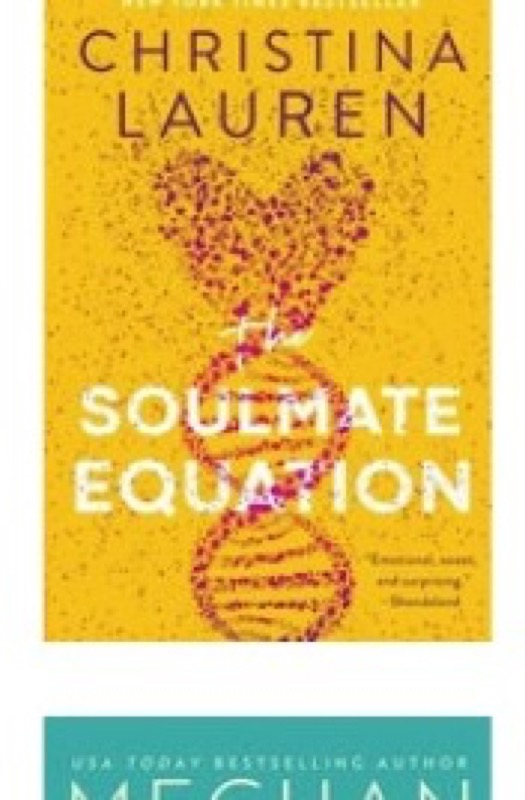
The Soulmate Equation
Hook & thesis
In The Soulmate Equation, Christina Lauren crafts a narrative that entwines the intricate dance of science and love through the lens of an enemies-to-lovers trope. The book’s true engine is the exploration of trust in connection—how the promise of compatibility can ignite both passion and doubt within our most intimate relationships. Verdict: This novel expertly navigates the tension between logical calculations and emotional truth, making it a compelling read that defies the predictability of its genre.
The contextual pivot
Situated firmly within the realm of contemporary romance, The Soulmate Equation taps into the current fascination with analytics and genetic matching, reminiscent of titles like The Hating Game by Sally Thorne and The Unhoneymooners that utilize sharp wit and layered character dynamics. Lauren’s work in this vein reveals a keen understanding of romantic conventions while simultaneously appealing to readers who revel in STEM-themed narratives. In doing so, the book serves both niche audiences fascinated by the implications of genetic destiny and the broader readership seeking escapism through engaging romantic entanglements.
Deep-dive critique
The narrative structure cleverly alternates between the perspectives of the two protagonists, allowing readers to witness the evolution of their relationship from antagonism to affection. This dual POV not only enhances emotional depth but also cultivates a sense of suspense as the characters grapple with their conflicting feelings. Lauren’s prose is crisp and lively, punctuated with humor that lightens the often heavy themes of trust and vulnerability. The dialogue flows naturally, showcasing the witty banter that is characteristic of the enemies-to-lovers trope, yet it never loses sight of the underlying tensions that arise from their scientific partnership.
However, while the thematic exploration of compatibility is compelling, certain plot points may feel contrived, teetering on the edge of predictability. The pacing occasionally falters, particularly in the mid-section where the conflict seems to cycle rather than escalate, leading to a somewhat rushed resolution. Nonetheless, the ending is earned; it resonates with the notion that love, much like science, requires both experimentation and a leap of faith.
Discussion launchpad
This book presents several polarities that can fuel an engaging discussion. On one hand, the blending of science with romance raises questions about the authenticity of connections formed through algorithms. On the other, the character development invites debate on whether we can truly change our initial perceptions of others.
Questions for the room:
- Does the use of scientific principles in romance enhance or hinder the authenticity of relationships depicted in the story?
- How do the protagonists’ personal journeys redefine or reaffirm traditional enemies-to-lovers archetypes?
- What role does humor play in navigating serious themes within the narrative?
- Can we reconcile the tension between emotional truth and analytical compatibility in our own lives?
- How does this book compare to other romances that explore the theme of fate versus choice?
#TheOrchidRoom #enemiestolovers #darkromance #literaryanalysis #darkheartlabs