
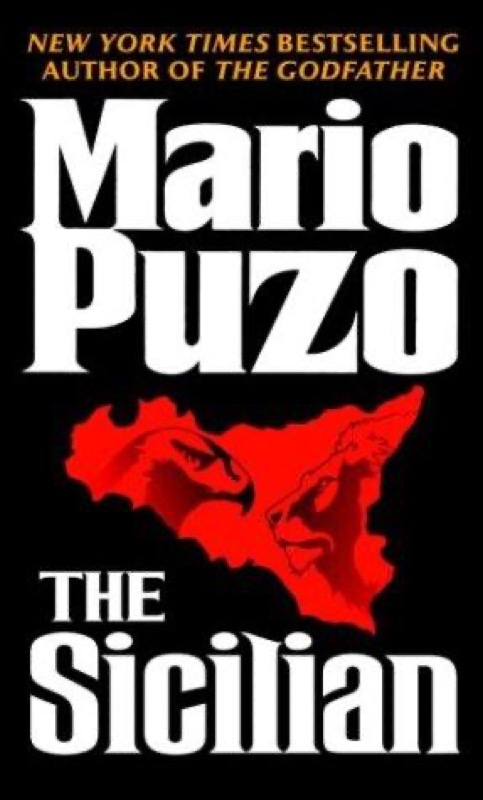
The Sicilian (The Godfather, #2)
The Godfather Series
Hook & thesis
In The Sicilian, Mario Puzo crafts a masterful exploration of loyalty, ambition, and the moral grey areas inherent in the human condition. Verdict: This novel serves not only as a riveting sequel to The Godfather but also as a profound commentary on the lengths to which one will go for family and power, making it both compelling and unsettling.
The contextual pivot
Puzo’s work sits comfortably within the crime and mafia genre, following in the well-trodden footsteps of The Godfather. Yet, while many authors lean into the glorification of the mob lifestyle, Puzo’s narrative is steeped in a deeper exploration of character motivations and the consequences of violence. The book appeals to a broad audience, deftly bridging the niche of mafia romance with broader themes of betrayal and redemption, ensuring its resonance with readers beyond mere crime enthusiasts.
Deep-dive critique
Structurally, The Sicilian is notable for its non-linear narrative, which Puzo employs to build suspense and deepen character development. The choice to intertwine the stories of Michael Corleone and Salvatore Giuliano creates a rich tapestry of parallel lives, underscoring the central themes of loyalty and ambition. Puzo’s prose is both sharp and evocative, crafting scenes that linger in the mind long after reading. For instance, his portrayal of the Sicilian landscape not only serves as a backdrop but also enhances the narrative’s emotional weight, reflecting Giuliano’s internal struggles.
However, the novel is not without its flaws. The pacing occasionally falters, particularly in the middle sections where the plot meanders into tangents that dilute the urgency of the central conflict. Characterization, while generally strong, can feel uneven at times; some supporting characters lack the depth that makes them memorable, serving merely as plot devices rather than fully realized individuals. The ending, while dramatic, raises questions about whether the resolution is earned, leaving readers with a sense of ambiguity that may polarize opinions.
Discussion launchpad
Puzo’s The Sicilian invites debate not just on the actions of its characters but also on the moral implications of their choices. The tension between familial loyalty and personal ambition sparks rich discussion, challenging readers to consider their own values.
Questions for the room:
- Do you find the portrayal of violence justifiable within the context of family loyalty?
- How does Puzo’s depiction of the Sicilian landscape contribute to the overall narrative?
- In what ways do the characters embody the conflict between good and evil?
- Is the ending of The Sicilian a fitting conclusion to Michael Corleone’s arc, or does it leave too many threads unresolved?
- How does Puzo’s exploration of betrayal resonate with contemporary social issues?
#TheOrchidRoom #mafiaromance #darkromance #crime #family