
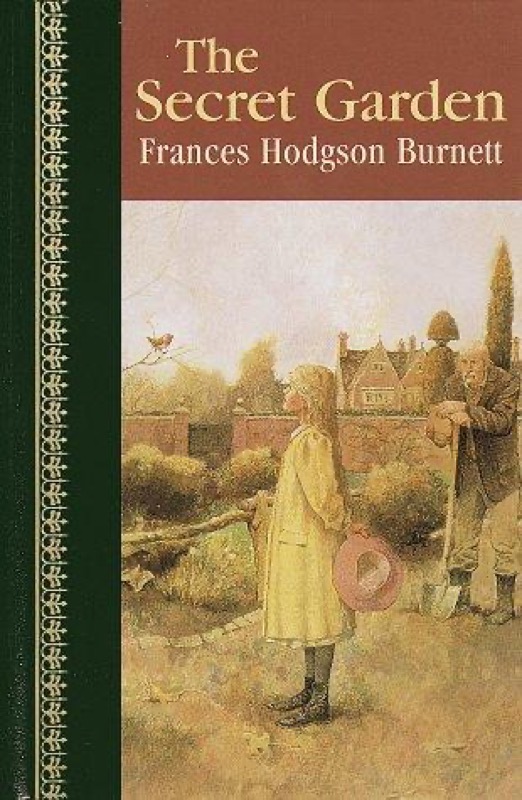
The Secret Garden
Hook & thesis
In Frances Hodgson Burnett’s The Secret Garden, the author explores themes of healing and personal growth against the backdrop of nature’s transformative power. Verdict: The novel serves as a compelling testament to the idea that emotional and physical revitalization can emerge through connection with nature and friendship.
The contextual pivot
As a cornerstone of children’s literature, The Secret Garden intersects with themes of isolation and rejuvenation, grounding itself in the genre of juvenile fiction. Burnett’s work invites comparisons to contemporaries such as Louisa May Alcott and E. Nesbit, who also delve into the importance of familial and social bonds. This story appeals to both young readers seeking adventure and adults reflecting on personal nostalgia, bridging niche tropes of childhood exploration to a broader audience.
Deep-dive critique
The structure of The Secret Garden unfolds through a third-person limited perspective, primarily focusing on Mary Lennox’s journey from a sullen, neglected child to a vibrant young girl. This pacing mirrors her emotional growth and reflects the novel’s central thesis: the healing effects of nature. Burnett’s prose is lyrical and rich in imagery, particularly in descriptions of the garden itself, creating an almost magical atmosphere that captivates readers.
The dialogue, especially between Mary and her friends, showcases character development and the emergence of empathy, which serves to deepen the narrative. However, some may argue that the resolution feels somewhat rushed, as the transformation of Colin Craven happens almost too rapidly. Nonetheless, the ending suggests that personal growth is a continual process, leaving room for interpretation.
Discussion launchpad
The novel presents polarities, particularly regarding the depiction of childhood: is it a time of innocence or a period fraught with emotional turmoil? Furthermore, the role of nature as a healing force can provoke differing views on environmental themes in literature.
Questions for the room:
- How does Burnett’s portrayal of childhood resonate with modern interpretations of youth?
- In what ways does the garden symbolize more than just a physical space for the characters?
- What critiques can we apply to the portrayal of gender roles in the story?
- How does friendship serve as a catalyst for change among the characters?
- Is the ending of the novel truly satisfying, or does it leave too many questions unanswered?
#LitClass #Grade11 #RequiredReading #classic #children’sliterature