
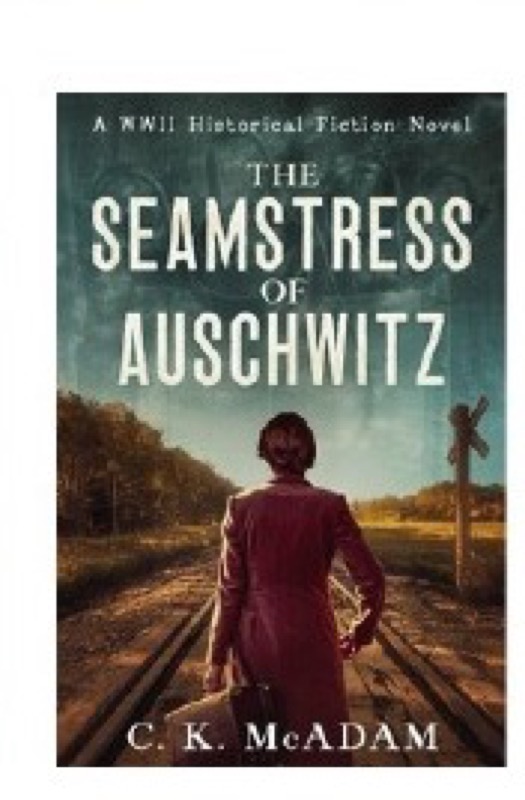
The Seamstress of Auschwitz
A WWII Historical Fiction Novel
Hook & thesis
C. K. McAdam’s “The Seamstress of Auschwitz” presents a harrowing tale of survival and resilience against the backdrop of one of history’s darkest chapters. The book’s true engine lies in the struggle for identity and humanity amidst dehumanizing circumstances. Verdict: McAdam’s tale is a poignant yet flawed exploration of love and survival that ultimately treads familiar ground without fully realizing its thematic potential.
The contextual pivot
Set within the genre of dark thriller and historical fiction, McAdam’s work grapples with the weighty subject of the Holocaust, placing it alongside others in the field such as Heather Morris’s “The Tattooist of Auschwitz” and Markus Zusak’s “The Book Thief.” While these narratives offer varying perspectives on the human spirit’s endurance, McAdam’s novel aims to bridge the niche of Holocaust literature to a broader audience by emphasizing romance and personal agency. The invisible audience likely comprises readers seeking emotional depth and historical insight, yet the novel’s engagement with genre conventions sometimes limits its broader appeal.
Deep-dive critique
The structure of “The Seamstress of Auschwitz” is marked by a dual timeline that oscillates between the protagonist’s past and present, creating a tension that both serves and sometimes sabotages the narrative. This pacing allows for a rich exploration of character development, yet certain sequences feel rushed, diluting emotional impact. McAdam’s prose is evocative but occasionally slips into melodrama, undermining the gravity of the harrowing experiences depicted. Characterization is a mixed bag; while the protagonist is deeply sympathetic, secondary characters often lack the depth necessary to elevate their roles beyond mere archetypes.
Dialogue, while functional, sometimes falters in authenticity, failing to capture the nuanced interactions one might expect in such a dire context. The world-building is vivid, yet it occasionally relies on clichés that risk overshadowing the unique stories of those who lived through the horrors of Auschwitz. The ending, although hopeful, feels somewhat unearned, leaving readers questioning if the resolution truly reflects the complexities of the journey that preceded it.
Discussion launchpad
While “The Seamstress of Auschwitz” raises significant themes of love and survival, it also navigates the polarizing territory of historical representation and emotional manipulation.
Questions for the room:
- Does the romantic subplot enhance or detract from the historical authenticity of the narrative?
- How does McAdam’s depiction of trauma compare to other works in the genre?
- In what ways does the author challenge or reinforce genre conventions?
- Is the emotional payoff in the ending justified by the protagonist’s journey, or does it undermine the reality of the historical context?
- How do we balance the need for engaging storytelling with the responsibility of representing historical trauma?
#LiteraryAnalysis #darkthriller #wwii #historical #auschwitz