
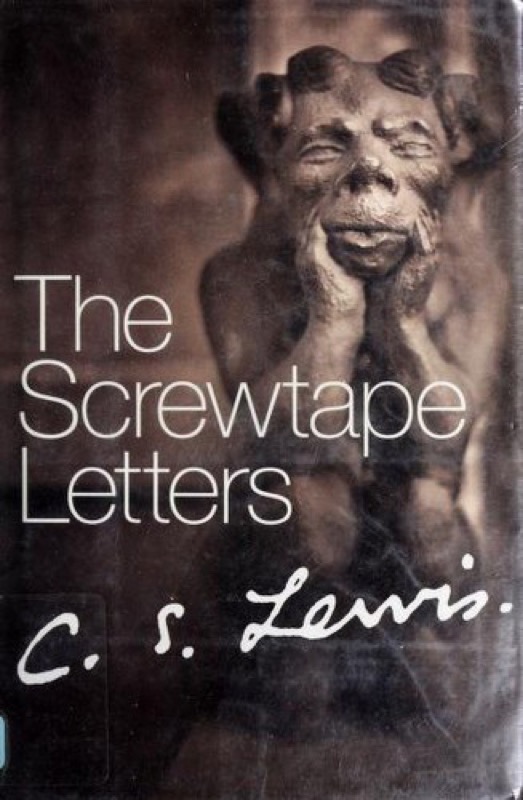
The Screwtape Letters
Hook & thesis
C.S. Lewis’s The Screwtape Letters ingeniously dissects the moral battleground of the human soul through the lens of a demon’s correspondence, revealing the profound complexities of temptation and faith. Verdict: This epistolary work is a masterclass in exploring the shadows of human desire and the often-ambiguous battle between good and evil.
The contextual pivot
Positioned within the realm of gothic horror-romance, Lewis’s text diverges from standard narratives by embracing a philosophical exploration of morality through dark humor and diabolical wit. While the genre often leans on visceral terror and the supernatural, Lewis constructs a subtle realm where the true horrors are not external but internal—fueled by manipulation and self-doubt. His letters resonate with audiences familiar with gothic tropes while simultaneously engaging a broader readership through its incisive commentary on the human condition, morality, and spiritual warfare.
Deep-dive critique
The structure of The Screwtape Letters is its most striking strength, employing a series of letters that create an intimate yet detached perspective on the human experience. This choice allows readers to peer into the machinations of Screwtape, a senior demon, as he advises his nephew Wormwood on corrupting a human soul. The pacing is deliberate, each letter revealing layers of temptation that unfold gradually, underscoring the insidious nature of evil.
Lewis’s prose is both precise and evocative, marrying intellectual rigor with a satirical tone that invites reflection. For instance, the way Screwtape describes the human experience—full of vulnerabilities and desires—highlights the dichotomy between divine love and demonic manipulation. The thematic exploration of faith, doubt, and moral ambiguity is particularly resonant in today’s context, where individual beliefs are often challenged by societal pressures.
However, while the craft excels in dialogue and the creation of a unique voice, some readers may find the heavy reliance on allegory limiting. The brilliance of Screwtape’s arguments can overshadow the individual emotional arcs of the characters involved, making them feel somewhat archetypal rather than fully realized. Additionally, the ending, while thematically significant, may come across as abrupt and leaves some questions lingering about the ultimate fate of the human soul, potentially alienating those seeking closure.
Discussion launchpad
The juxtaposition of morality and manipulation in The Screwtape Letters presents rich terrain for discussion, particularly regarding its relevance in contemporary society. How does the text’s exploration of temptation resonate with modern spiritual dilemmas?
Questions for the room:
- In what ways does Lewis’s depiction of evil challenge or reinforce modern perceptions of morality?
- How does the epistolary format enhance or detract from the emotional impact of the narrative?
- What role does humor play in the exploration of dark themes, and does it serve to diminish or deepen their gravity?
- Can Screwtape’s insights be applied to personal experiences of temptation and doubt, or are they too abstract?
- How does this text compare to other works in the gothic genre that explore similar themes?
#TheOrchidRoom #gothic #horrorromance #philosophy #literaryanalysis