
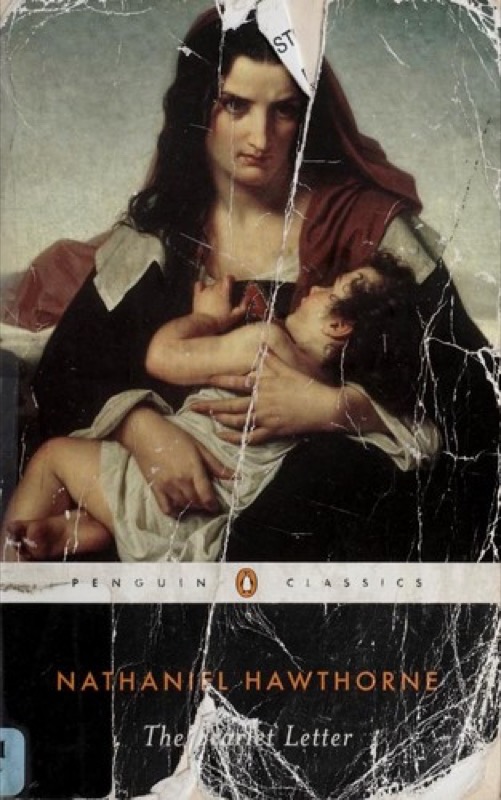
The Scarlet Letter
A tale of sin and redemption set in Puritan New England.
Hook & thesis
Nathaniel Hawthorne’s The Scarlet Letter intricately weaves a narrative of sin, guilt, and redemption against the backdrop of Puritan New England. The book’s true engine is the profound conflict between personal desire and societal condemnation. Verdict: Hawthorne masterfully critiques the rigidity of moral absolutism while illuminating the complexities of human emotion.
The contextual pivot
As a seminal work in gothic-horror-romance, The Scarlet Letter delves into themes of transgression and social ostracism, marking a significant departure from romanticism into darker explorations of psyche and morality. Hawthorne, often associated with dark romanticism, positions this novel within a landscape dominated by writers like Edgar Allan Poe and Herman Melville, engaging with the duality of human nature. The invisible audience stretches from a niche of literary enthusiasts familiar with 19th-century American themes to general readers grappling with the timeless tangles of love and shame.
Deep-dive critique
Hawthorne’s use of a third-person omniscient narrator allows access to the inner turmoil of characters while expanding the thematic scope. The structure, particularly the pacing, often lingers on Hester Prynne’s emotional isolation, effectively heightening the tension surrounding her public shaming. The prose is rich yet accessible, employing symbolism—such as the scarlet letter itself—to convey complex ideas of identity and societal judgment. The dialogue, while sometimes archaic, reflects the constraints of the Puritanical setting, thereby reinforcing the characters’ struggles. However, the pacing can feel uneven, especially in the latter half, where the resolution may seem rushed compared to the build-up, leaving some thematic threads unresolved. The ending, while tragic, feels somewhat predestined, raising questions about the nature of redemption.
Discussion launchpad
The deeply entrenched themes of guilt and societal oppression present a fertile ground for discussion. Hawthorne’s critique of Puritanism versus his portrayal of individual agency invites contrasting interpretations.
Questions for the room:
- How does Hawthorne’s portrayal of women challenge or conform to the 19th-century ideals?
- In what ways does the setting amplify the characters’ inner conflicts?
- Does Hester’s ultimate fate suggest a path to redemption or a continuation of her punishment?
- How effective is the use of symbolism throughout the novel, and does it add or detract from the overall message?
- Can we draw parallels between Hester’s experience and modern societal judgment?
#CollegeLit #FreshmanYear #Canon #gothic #redemption #puritanism #forbiddenlove