
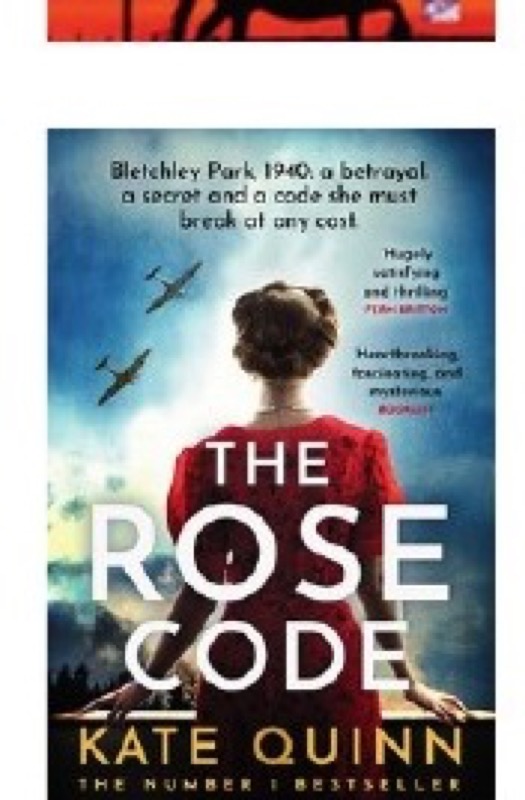
The Rose Code
Hook & thesis
In The Rose Code, Kate Quinn masterfully intertwines the chaos of WWII with the intimate betrayals of friendship, exposing the dark underbelly of loyalty amidst war-torn shadows. Verdict: This novel thrives on the tension between personal sacrifice and the corrosive nature of secrets, leaving readers haunted by its poignant exploration of betrayal.
The contextual pivot
Set against the backdrop of Bletchley Park, Quinn’s narrative melds historical fiction with dark thriller elements, positioning it within a niche yet accessible realm of WWII literature. Unlike other works that solely focus on battlefield heroics, such as All the Light We Cannot See, The Rose Code delves into the psychological warfare of codebreaking and the interpersonal dynamics that emerge in high-stakes environments. Quinn’s ability to bridge the gap between historical authenticity and character-driven storytelling invites both genre enthusiasts and general readers to engage with the darker facets of humanity.
Deep-dive critique
Quinn’s craft is marked by a deft structural choice, employing a dual timeline that oscillates between the protagonists’ experiences during the war and the post-war unraveling of their lives. This pacing creates a palpable tension that mirrors the emotional stakes involved in their covert missions. The prose, rich with atmospheric detail, effectively captures the claustrophobia of Bletchley’s cryptography labs while simultaneously conjuring the oppressive weight of the secrets they harbor.
However, the dialogue occasionally falters, leaning towards exposition rather than authentic interaction, which dampens the emotional resonance at critical moments. For instance, when the characters confront their choices, their exchanges feel more like plot vehicles than genuine conversations, undermining the narrative’s deeper themes of betrayal and trust. The world-building excels in its vivid portrayal of Bletchley Park, yet some secondary characters remain underdeveloped, causing missed opportunities to explore the pervasive atmosphere of paranoia that envelops the protagonists.
The ending, while dramatic, teeters on the edge of predictability. Yet, Quinn manages to weave in a final twist that is both surprising and thematically consistent, emphasizing the cost of loyalty in a landscape riddled with deception. In this respect, the conclusion is earned, even if it leaves lingering questions about the true price of survival.
Discussion launchpad
Quinn’s exploration of friendship versus duty raises complex questions about ethical dilemmas in wartime, making it a rich topic for discussion. The interplay between personal sacrifice and the broader implications of betrayal can ignite passionate debates.
Questions for the room:
- How does Quinn’s portrayal of female friendships challenge traditional narratives in wartime literature?
- In what ways does the dual timeline enrich or complicate the story’s themes?
- Are the characters’ betrayals justified within the context of survival, or do they reflect deeper moral failings?
- How does the book’s depiction of psychological tension compare to that of other historical thrillers?
- What unresolved questions or biases linger after finishing the novel?
#LiteraryAnalysis #GothicEdge
#TheOrchidRoom #darkthriller #romanticsuspense #Bletchley #wwii #codebreaking