
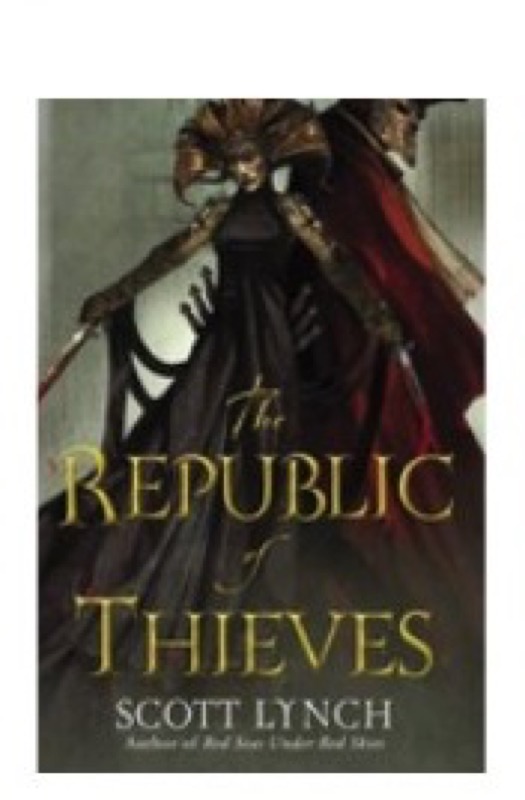
The Republic of Thieves
Hook & thesis
In The Republic of Thieves, Scott Lynch crafts a tale of cunning and betrayal set against a backdrop of political maneuvering, with a central conflict that pits personal ambition against the ethical dilemmas of friendship and loyalty. Verdict: Lynch masterfully intertwines heist and heart, creating a narrative that is as much about the art of deception as it is about the bonds that bind us.
The contextual pivot
Positioned within the fantasy genre, this novel stands out amid the rising tide of heist narratives that have gained popularity in recent years. Lynch’s work can be compared to authors like Patrick Rothfuss and Brandon Sanderson, but he carves his niche by blending wit and charm with darker moral undertones. The book appeals not only to genre enthusiasts but also bridges the divide to mainstream readers, offering a tantalizing exploration of character psychology and political intrigue.
Deep-dive critique
The structure of The Republic of Thieves is deftly paced, using dual timelines to enhance tension and reveal character motivations. The interplay between Locke Lamora’s past and present serves to deepen the reader’s understanding of his moral ambiguity. Lynch’s prose is sharp and engaging, with dialogue that crackles with wit, effectively capturing the banter between characters while also reflecting their complex relationships.
However, the novel does stumble in its reliance on familiar tropes, which may occasionally undermine the originality of its premise. For instance, the romantic subplot, while emotionally charged, sometimes feels like a distraction from the central heist narrative. The world-building is rich, yet at moments, it risks veering into excessive detail that could alienate readers less invested in the lore. The ending, however, is well-earned, providing a satisfying resolution that echoes the book’s themes of loyalty and betrayal.
Discussion launchpad
Lynch’s novel invites debate on the balance between personal ambition and loyalty, a theme that resonates throughout the narrative. Additionally, the contrast between humorous dialogue and serious undertones can polarize readers.
Questions for the room:
- Does the romantic subplot enhance or detract from the main narrative?
- How does Lynch’s treatment of moral ambiguity compare to other fantasy authors?
- In what ways does the book reflect contemporary political themes?
- Are the characters relatable, or do they exist purely as archetypes?
- How does the pacing affect your engagement with the story?
#CollegeLit #FreshmanYear #Canon #the #republic #literaryanalysis #darkheartlabs