
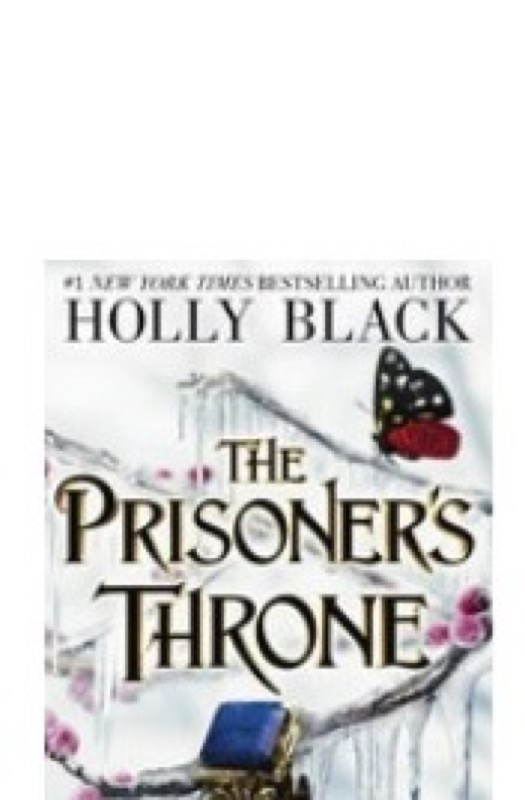
The Prisoner's Throne
Hook & thesis
In The Prisoner’s Throne, Holly Black weaves a mesmerizing tale where dark desires and the pursuit of power intersect, unveiling the tumultuous journey of love amidst chains of obligation. Verdict: This book masterfully explores the complexities of loyalty and betrayal, revealing that true freedom may come at an unspeakable cost.
The contextual pivot
Situated firmly within the fantasy-romance genre, Black’s work transcends simple tropes of love and magic, instead embedding itself in a rich tradition that includes the likes of Sarah J. Maas and Leigh Bardugo. This narrative is crafted for a specific audience that revels in the intoxicating blend of desire and danger, yet it remains accessible enough to draw in general readers who may be unfamiliar with the intricacies of the subgenre. Black’s background in young adult fantasy shines through, as she deftly balances elements of romantic tension with darker themes of autonomy and sacrifice.
Deep-dive critique
Black’s structural choices serve the story’s thematic undercurrents, employing a dual perspective that allows readers to traverse the internal conflicts of both protagonists. The pacing is expertly crafted, building tension through a series of emotional peaks and valleys that reflect the characters’ struggles. Dialogue is sharp and laden with subtext, revealing the characters’ motivations without unnecessary exposition. For instance, the moments of silence between characters often speak louder than words, highlighting the emotional stakes at play.
However, one could argue that the world-building, while lush and vivid, occasionally leans on familiar archetypes without pushing them into uncharted territories. The magic system, although intriguing, feels somewhat conventional, and could benefit from deeper exploration to elevate the stakes. The emotional intensity, underscored by the content warnings of fantasy violence and psychological turmoil, serves to heighten the reader’s engagement, but may also alienate those less inclined to confront such tumult. The ending, while satisfying, raises questions about the implications of the characters’ choices, echoing the book’s central conflict between desire and consequence.
Discussion launchpad
The tension between love and freedom creates polarizing viewpoints, provoking a rich discussion about the ethical dimensions of the characters’ choices.
Questions for the room:
- How do you interpret the balance between love and autonomy in the characters’ relationships?
- In what ways does the magic system reflect or challenge the characters’ emotional journeys?
- Do you find the ending satisfying, or does it leave too many questions unanswered?
- How does Black’s portrayal of emotional intensity influence your engagement with the story?
- What aspects of the world-building felt fresh or clichéd to you, and how did that affect your reading experience?
#TheOrchidRoom #fantasyromance #darkromance #literaryanalysis #romantasy