
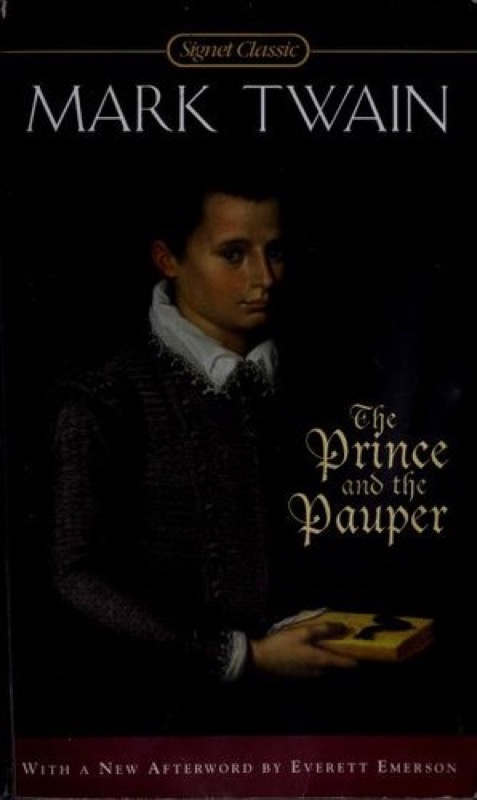
The Prince and the Pauper
Hook & thesis
Mark Twain’s The Prince and the Pauper explores the treacherous waters of identity and class disparity through the eyes of two boys who unwittingly switch lives. Verdict: This novel brilliantly critiques societal structures while immersing readers in a world where the heart’s desires clash with societal expectations.
The contextual pivot
Situated at the crossroads of historical fiction and social commentary, The Prince and the Pauper stands as a crucial work in Twain’s oeuvre, echoing the themes of duality and identity found in his other writings. While it engages with the tropes of Gothic horror through its exploration of the darker sides of human nature and societal injustice, it simultaneously offers a narrative grounded in friendship and empathy, making it accessible to a wider audience. Twain’s deft handling of these elements allows the novel to bridge niche tropes with broader themes that resonate with readers across generations.
Deep-dive critique
The novel’s structure, alternating between the perspectives of the prince and the pauper, serves to heighten the tension surrounding their contrasting experiences. Twain’s use of a third-person omniscient point of view creates a rich tapestry of societal critique, allowing readers to witness the absurdities of class distinction firsthand. The pacing, however, sometimes falters; moments of introspection can feel drawn out, diluting the urgency of the narrative’s central conflicts.
Characterization excels particularly in the depiction of Tom Canty, whose innocent yet profound observations about privilege challenge the established norms of his time. The dialogue sparkles with wit, revealing the societal absurdities that both boys must navigate as they traverse their new worlds. However, the secondary characters occasionally lack depth, serving more as vehicles for the central theme than as fully realized individuals. This imbalance can leave readers craving a more nuanced exploration of the supporting cast.
The ending, though satisfying in its resolution of identity and friendship, risks feeling somewhat neat given the chaotic journey that precedes it. The emotional stakes are high, yet the conclusion offers a sense of closure that some may find too tidy for a narrative steeped in complexity.
Discussion launchpad
The Prince and the Pauper presents a rich ground for exploration of class and identity, but also raises questions about narrative satisfaction and character depth.
Questions for the room:
- How effectively does Twain challenge societal norms through the experiences of his protagonists?
- In what ways does the structure of alternating perspectives enhance or hinder the reader’s engagement?
- What are the implications of the novel’s tidy resolution in contrast to its messy themes?
- How do secondary characters contribute or detract from the main themes of identity and friendship?
- Consider the historical context—how might modern readers interpret the themes differently than Twain’s contemporaries?
#TheOrchidRoom #gothic #classdisparity #identity #friendship