
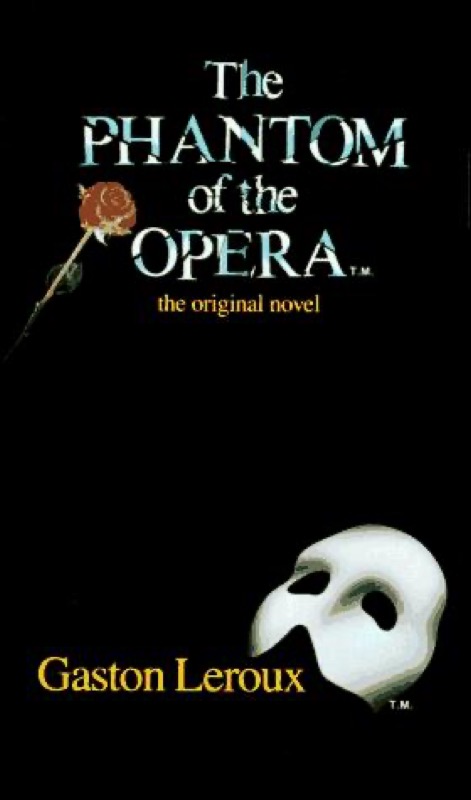
The Phantom of the Opera
A haunting tale of love and obsession beneath the Paris Opera House.
Hook & thesis
In Gaston Leroux’s timeless classic, The Phantom of the Opera, the true engine driving this gothic narrative is the tumultuous interplay between love and obsession, revealing how desire can morph into a dark and destructive force. Verdict: Leroux masterfully crafts a haunting exploration of the human psyche, where passion becomes a double-edged sword, cutting through the veneer of romance to expose the raw, unsettling truths beneath.
The contextual pivot
Situated firmly within the gothic-horror-romance genre, Leroux’s work stands alongside titans like Bram Stoker’s Dracula and Mary Shelley’s Frankenstein, both of which also delve into the complexities of desire and the monstrous facets of humanity. Leroux’s narrative uniquely bridges niche tropes—such as the tormented anti-hero and the tragic love story—with broader themes appealing to general readers, such as the quest for acceptance and the impact of societal rejection. This duality allows The Phantom of the Opera to resonate with both romance enthusiasts and horror aficionados, thereby expanding its audience reach while maintaining its distinct gothic essence.
Deep-dive critique
Leroux’s structural choices serve to amplify the tension between the characters, particularly through his use of an omniscient third-person perspective that oscillates between the viewpoints of the Phantom and Christine. This technique creates a layered narrative that invites readers into the depths of each character’s psyche, heightening the emotional stakes and underscoring the themes of isolation and longing. The pacing fluctuates effectively; moments of frantic action juxtapose with languorous scenes that allow the reader to savor the characters’ emotional struggles, thus enhancing the overall suspense.
The prose itself exudes a rich, atmospheric quality, employing vivid imagery to conjure the opulence of the Paris Opera House and the haunting allure of its shadowy depths. Leroux’s dialogue, however, occasionally falters, leaning towards melodrama that may detract from the authenticity of the characters’ experiences. Nonetheless, the overall thematic success is undeniable; the exploration of mental illness, death, and the nature of obsession feels both poignant and relevant, drawing parallels to contemporary discussions surrounding these issues. The ending, while tragic, is ultimately earned, reflecting the inevitable consequences of the characters’ choices and the inescapable grip of their desires.
Discussion launchpad
The interplay between love and obsession in The Phantom of the Opera invites fervent debate, as it raises questions about the nature of desire and its potential for destruction.
Questions for the room:
- How does Leroux’s portrayal of the Phantom challenge our perceptions of sympathy and monstrosity?
- In what ways does the setting of the Paris Opera House enhance the themes of isolation and longing?
- Can the relationship dynamics in the novel be interpreted as a critique of societal norms, particularly regarding beauty and acceptance?
- How does the depiction of mental illness inform our understanding of the Phantom’s character?
- What aspects of Leroux’s writing resonate with or diverge from contemporary gothic romance narratives?
#TheOrchidRoom #gothic #horrorromance #romance #opera