
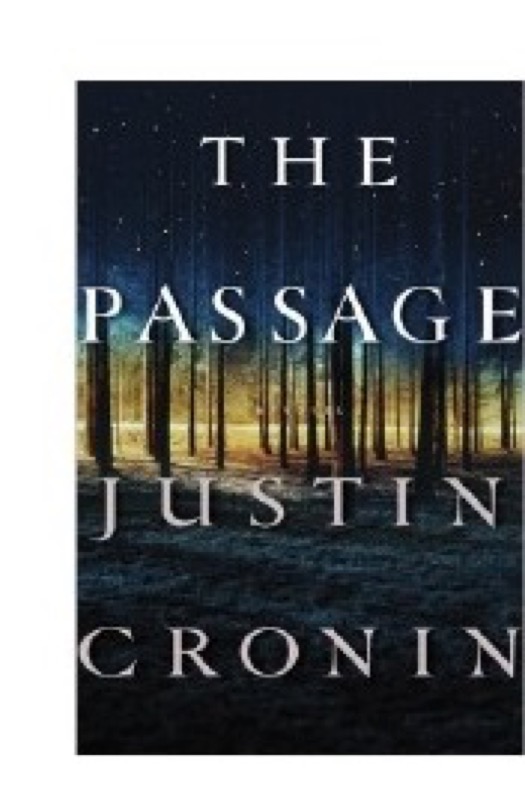
The Passage
Hook & thesis
In Justin Cronin’s The Passage, the haunting interplay between isolation and connection emerges as the book’s true engine, driving characters toward a fragile humanity amidst a post-apocalyptic landscape. Verdict: This audacious narrative weaves gothic horror with a profound meditation on survival and sacrifice, leaving readers breathless and contemplative.
The contextual pivot
The Passage positions itself within the gothic horror-romance genre, an ambitious blend that echoes the works of Stephen King and Anne Rice, yet stands distinct in its exploration of the human condition under duress. Cronin’s prior novels, while engaging, do not quite reach the dizzying heights of ambition found here, where he attempts to bridge the divide between horror’s niche and mainstream literary appeal. The invisible audience, likely drawn to both horror enthusiasts and readers of literary fiction, may find themselves grappling with the emotional depth of the narrative, which transcends typical genre boundaries.
Deep-dive critique
Structurally, Cronin employs a non-linear timeline that serves to heighten tension, creating a rich tapestry of interwoven narratives that reflect the chaos of a world on the brink. The pacing, while occasionally languid, builds a sense of dread and inevitability, allowing moments of intimacy to emerge against the backdrop of impending doom. The choice of shifting perspectives enhances the thematic exploration of isolation, as characters grapple with personal demons alongside external threats.
Cronin’s prose is immersive, often lush with gothic imagery that evokes a visceral reaction, crafting a world steeped in atmosphere. The dialogue, however, succumbs at times to expository tendencies, which can interrupt the otherwise fluid tension. Despite this, the characters are drawn with a deft hand; their desires and fears resonate deeply, particularly in how they navigate their relationships. The emotional stakes are palpable, and the ending — though it treads familiar ground — feels earned, offering a haunting closure that lingers in the mind long after the last page.
Discussion launchpad
The Passage invites reflection on the nature of fear and connection in a world unravelling at the seams, prompting a spectrum of opinions.
- How does Cronin balance the gothic elements with the overarching themes of love and loss?
- In what ways does the structure enhance or detract from the emotional impact of the narrative?
- Is the ending satisfactory in its resolution of the characters’ arcs, or does it leave too much unresolved?
Questions for the room:
- What are your thoughts on the use of multiple perspectives in conveying the horror elements?
- Do you think the pacing ultimately serves the story, or does it hinder the emotional engagement?
- How does the book’s gothic atmosphere compare to other works in the genre?
- In what ways does this narrative challenge traditional notions of heroism and villainy?
#TheOrchidRoom #gothic #horrorromance #thepassage #literaryanalysis