
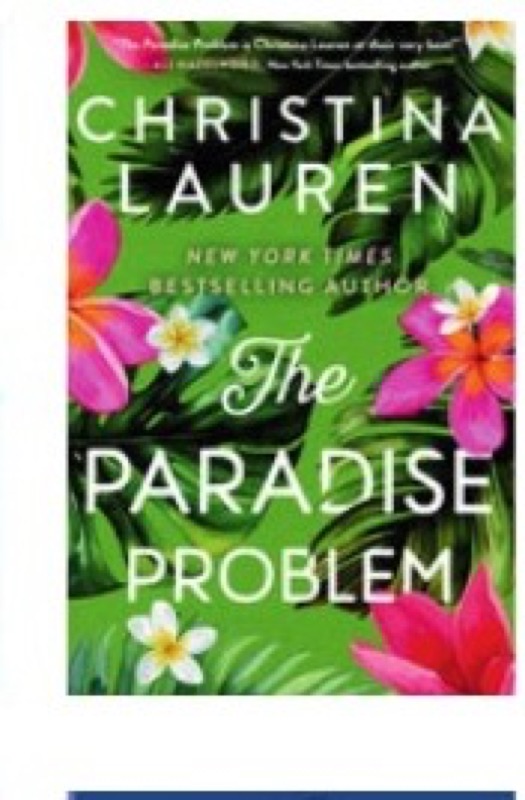
The Paradise Problem
Hook & thesis
In The Paradise Problem, Christina Lauren dives into the treacherous waters of desire and enmity, crafting an enemies-to-lovers narrative that is as tempestuous as it is intoxicating. Verdict: This book electrifies with its exploration of how love can emerge from the ashes of conflict, revealing the raw, unbridled humanity beneath the surface.
The contextual pivot
Situated firmly within the contemporary romantic genre, The Paradise Problem straddles the line between light-hearted escapism and deeper emotional resonance. Christina Lauren, known for their deft handling of romantic tropes, here utilizes the enemies-to-lovers framework to explore themes of vulnerability and transformation. This narrative appeals not only to fans of the genre but also to those who appreciate a layered character study. The setting—a tropical paradise—serves as an ironic backdrop to the intense emotional struggles faced by the protagonists, grounding the story in a world that juxtaposes beauty with tension. In this way, the novel bridges niche desires with broader themes of connection and reconciliation, making it a compelling read for both established fans of the genre and newcomers alike.
Deep-dive critique
The structure of The Paradise Problem is a masterclass in pacing and tension. Lauren employs dual perspectives, allowing readers to experience the protagonists’ conflicting emotions intimately, which heightens the stakes of their relationship. The timeline is carefully crafted, unfolding at a rhythm that mirrors the characters’ gradual transition from animosity to attraction. The dialogue crackles with wit, infused with an undercurrent of longing that keeps the reader engaged. Characterization is particularly well-executed; both leads are flawed yet relatable, their banter revealing deeper insecurities and desires. However, moments of clichéd dialogue occasionally punctuate the narrative, potentially pulling readers out of the immersive experience. The climax, while satisfying, risks feeling slightly formulaic, but it’s ultimately earned through the characters’ growth and vulnerability throughout the story. Overall, the mixture of humor and heartfelt moments showcases Lauren’s ability to blend lightness with gravity, creating emotional stakes that resonate.
Discussion launchpad
Despite its charm, The Paradise Problem may polarize readers in its portrayal of conflict resolution within romantic relationships. Some might argue that the enemies-to-lovers trope romanticizes unhealthy dynamics, while others will celebrate it for showcasing growth through adversity.
Questions for the room:
- Does the resolution of conflict in romantic narratives risk glorifying toxic behaviors?
- How does the setting enhance or detract from the emotional stakes of the story?
- In what ways do the protagonists’ flaws contribute to their eventual connection?
- Can humor coexist with deep emotional truths in romance, or does it dilute the impact?
- How does this book compare to other works in the enemies-to-lovers trope — does it stand out or blend in?
#TheOrchidRoom #TheParadiseProblem #enemiestolovers #darkromance #literaryanalysis