
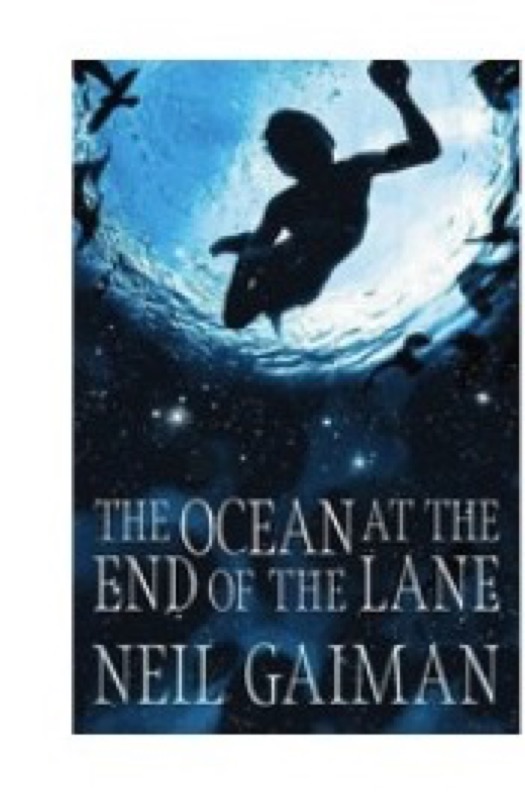
The Ocean at the End of the Lane
Hook & thesis
Neil Gaiman’s The Ocean at the End of the Lane is a masterful exploration of the shadows that childhood traumas cast into adulthood, deftly intertwining elements of gothic horror with a poignant coming-of-age narrative. Verdict: This book serves as an evocative reminder that the monsters we face in our childhood linger just beneath the surface and can resurface with haunting clarity.
The contextual pivot
Occupying a unique space in the gothic-horror-romance genre, Gaiman weaves a tale that transcends mere fantasy to delve into the complexities of memory and grief. In a landscape rich with magical realism, this work stands alongside titles like Coraline and The Graveyard Book, while also appealing to general readers with its universal themes of nostalgia and loss. Gaiman’s signature blend of dark whimsy and emotional depth invites a broad audience, yet it resonates most deeply with those who have grappled with their own pasts, making it a compelling bridge between niche interests and mainstream literature.
Deep-dive critique
Gaiman’s narrative structure is a poignant reflection of the fluidity of memory. The story unfolds through the eyes of an unnamed protagonist, whose recollections of a childhood encounter with dark forces form a disjointed timeline that mirrors the fragmented nature of trauma. This choice of perspective amplifies the emotional stakes, as the reader feels the weight of the protagonist’s suppressed fears and unprocessed experiences.
The prose itself is lush and evocative, filled with vivid imagery that creates an immersive world where the ordinary intertwines with the extraordinary. Gaiman’s skill in crafting dialogue reveals the innocence of childhood, juxtaposed with the sinister undertones of the adult world. The character of Lettie Hempstock is particularly noteworthy; she embodies both the protective and perilous aspects of childhood friendships, serving as a catalyst for the protagonist’s journey.
However, the pacing occasionally falters as the narrative meanders through the protagonist’s memories, which may disengage some readers expecting a more linear progression. Yet, this very meandering reflects the nature of memory itself—circular and often revisited. The integration of dark magic and frightening imagery serves to heighten the tension, ensuring that the reader remains captivated despite the slower moments.
In the end, the resolution is both haunting and satisfying, as it leaves lingering questions about the nature of reality and the enduring impact of our childhood fears. Gaiman’s ability to blend horror with a deeply personal narrative elevates this work, making the ending not just earned, but essential.
Discussion launchpad
The interplay of childhood trauma and magical realism presents polarizing elements that could spark intense debate. While some may find Gaiman’s exploration of dark themes a profound reflection on human experience, others may critique it for its ambiguous resolution.
Questions for the room:
- How does Gaiman’s depiction of childhood shape your understanding of the adult protagonist?
- In what ways does the narrative’s disjointed timeline reflect the experience of trauma?
- Can the elements of horror and magic in this story be seen as a means of coping with real-life fears?
- How does the character of Lettie Hempstock challenge traditional notions of childhood innocence?
- What does the ocean symbolize in the context of memory and loss?
#TheOrchidRoom #gothic #horrorromance #magicalrealism #darkfantasy