
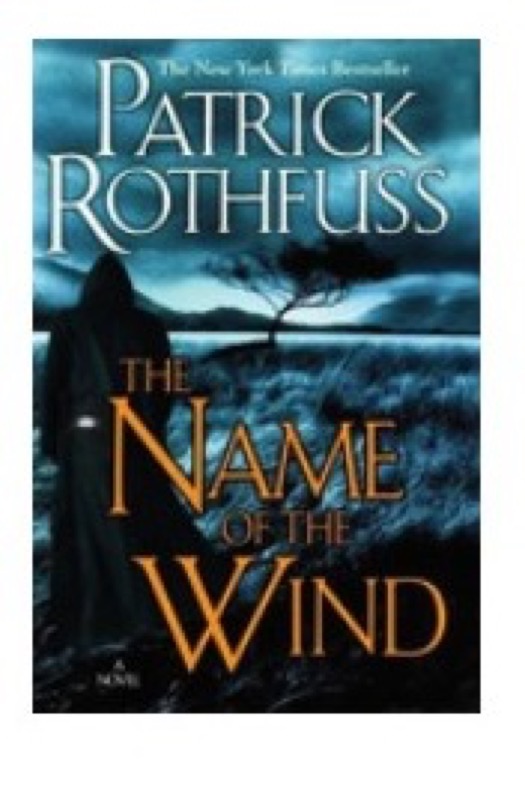
The Name of the Wind
Hook & thesis
In The Name of the Wind, Patrick Rothfuss deftly intertwines the threads of storytelling and identity, immersing readers in a world where the act of narration itself becomes a character. Verdict: This is a masterclass in how the craft of storytelling can evoke profound desire and longing, ultimately revealing the fragility of human connection.
The contextual pivot
Nestled within the fantasy-romance genre, Rothfuss’s work stands at the confluence of lyrical prose and rich world-building. Unlike typical high fantasy, which often leans heavily on epic battles and grand quests, this narrative is more introspective, focusing on the personal journey of Kvothe, a character whose life is steeped in myth and music. Rothfuss’s unique approach bridges niche tropes with a wider audience, appealing to readers who revel in deep emotional landscapes as much as in fantastical realms. His previous works, while less expansive, lay the groundwork for the intricate tapestry he weaves here, inviting both genre enthusiasts and literary aficionados to explore the shadows of memory and desire.
Deep-dive critique
Rothfuss employs a frame narrative that intricately layers Kvothe’s recounting of his past with the present-day implications of those stories, creating a compelling interplay between memory and identity. The pacing, at times languid, serves to build tension and emotional depth, although it may frustrate those seeking brisk action. His prose is rich and evocative, painting vivid imagery that resonates with the senses; the musicality of his writing is particularly noteworthy, enhancing the romantic undertones of Kvothe’s relationships.
Characterization is one of the novel’s triumphs, with Kvothe’s complex persona breathing life into the narrative. The dialogue is sharp, often carrying subtext that deepens character motivations and desires. However, some supporting characters lack the same depth, occasionally feeling more like archetypes than fully realized individuals, which could detract from the overall emotional stakes. The ending, while poignant, leaves some threads unresolved, perhaps intentionally so to mirror the uncertainty of Kvothe’s journey and the cyclical nature of storytelling.
Discussion launchpad
While The Name of the Wind enchants with its lyrical beauty, it provokes a range of responses regarding its slower pacing and character development. The question of whether the intricacies of storytelling overshadow character arcs could spark lively debate.
Questions for the room:
- Do you find the pacing enhances or detracts from the overall impact of the story?
- How does Rothfuss’s treatment of memory shape our understanding of Kvothe’s character?
- In what ways does the interplay of fantasy and romance elevate or undermine the narrative?
- What unresolved elements do you think are essential for a sequel, and how might they impact your reading of this book?
- How do the emotional intensity and fantasy violence influence your engagement with the story?
#TheOrchidRoom #fantasyromance #romantasy #darkromance #literaryanalysis