
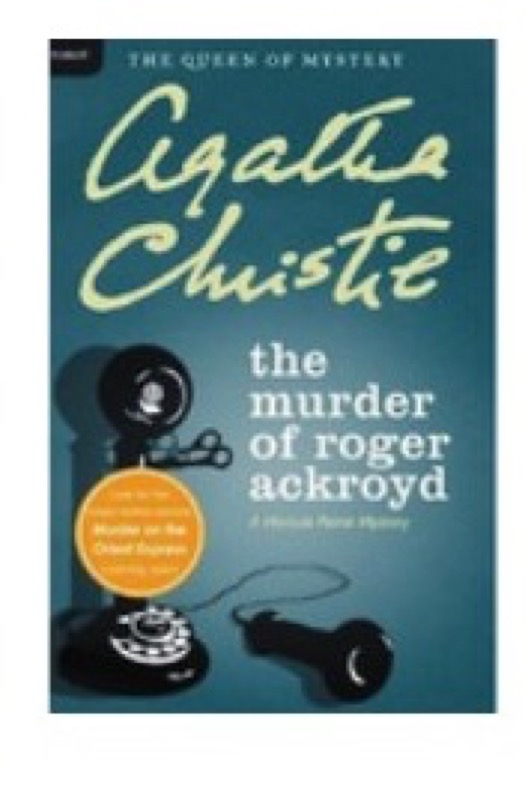
The Murder of Ackroyd
A Hercule Poirot Mystery
Hook & thesis
Agatha Christie’s The Murder of Roger Ackroyd stands as a masterclass in the intricacies of narrative deception, where the true engine of conflict lies in the human capacity for self-delusion. Verdict: This novel is an ingenious exploration of trust, morality, and the nature of truth, ultimately challenging the reader’s perception of justice.
The contextual pivot
As a cornerstone of the mystery genre, Christie’s work often merges the intricacies of human psychology with the mechanics of a whodunit. The Murder of Roger Ackroyd occupies a critical position in her oeuvre, showcasing her ability to manipulate narrative structure while maintaining suspense. The novel’s innovative twist—the use of an unreliable narrator—both captivates and alienates its audience, making it a compelling study for both genre enthusiasts and casual readers. It bridges niche tropes of early 20th-century detective fiction with broader themes of morality and deception, inviting readers from all walks of life to ponder the nature of truth.
Deep-dive critique
Christie’s structure is meticulously crafted, with a linear timeline that builds tension through Poirot’s gradual unraveling of the mystery. The pacing is deliberate, allowing for rich character development, particularly through the lens of the first-person narrator, Dr. Sheppard. This choice is crucial; it not only establishes a sense of intimacy but also a profound sense of betrayal when the twist is revealed. Prose-wise, Christie employs a straightforward style, which belies the complexity of the themes at play—how easily one can be misled by appearances.
Characterization excels, especially in the portrayal of Poirot as both a brilliant detective and a flawed human, grappling with the ethical implications of his discoveries. Dialogue is sharp and often laden with subtext, hinting at deeper motivations and concealed truths. However, the mechanical flaw of the novel resides in its late-game revelation, which some may argue undermines the reader’s investment in its characters, particularly the victim. Nonetheless, the ending is earned, catalyzing a reevaluation of the narrative and its moral concerns.
Discussion launchpad
The novel’s audacious twist will undoubtedly polarize opinions on its effectiveness. While some readers may appreciate Christie’s innovative approach, others might find the ending unfulfilling or manipulative.
Questions for the room:
- Does the twist enhance or detract from the overall narrative experience?
- How does the unreliable narrator shape our understanding of morality in the story?
- In what ways does this novel challenge the conventions of its genre?
- Can we sympathize with characters who engage in morally ambiguous actions to achieve justice?
- How does Christie’s portrayal of Poirot inform our perceptions of detective fiction?
#LiteraryAnalysis #darkthriller #mystery #classic #literaryanalysis