
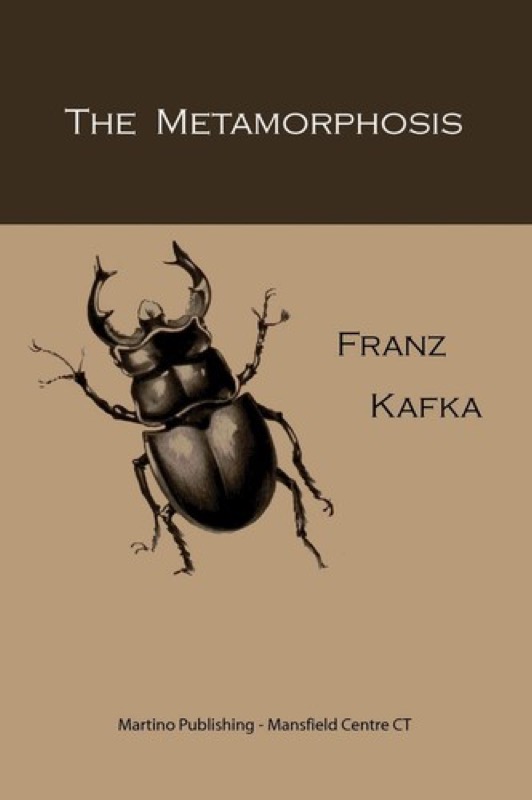
The Metamorphosis
Hook & thesis
Franz Kafka’s The Metamorphosis deftly explores the alienation of the human condition through the grotesque transformation of its protagonist, Gregor Samsa, into a monstrous vermin. Verdict: Kafka’s piercing examination of existential dread and familial detachment is as hauntingly relevant today as it was in the early 20th century, making this work an indelible cornerstone of gothic horror.
The contextual pivot
Nestled firmly in the gothic-horror-romance genre, The Metamorphosis transcends mere narrative to interrogate the very essence of identity and belonging. Kafka, with his unique blend of surrealism and psychological insights, crafts a world where the familiar becomes alien, reflecting the struggles of the individual against societal norms. This novella resonates with readers who grapple with feelings of isolation and dislocation, bridging niche tropes with universal themes that captivate a broader audience, much like the works of Shirley Jackson or H.P. Lovecraft. Kafka’s exploration of transformation and its repercussions invites comparison to modern existential works, showing how deeply entrenched the fears of alienation and acceptance are in our collective psyche.
Deep-dive critique
Kafka’s structure, characterized by its oppressive pacing and disjointed timeline, serves to enhance the themes of entrapment and despair. The novella’s opening line is a masterstroke, plunging the reader directly into the horrific transformation, thereby establishing a tone of immediacy and discomfort. The third-person limited perspective grants insight into Gregor’s inner turmoil while simultaneously alienating him from the reader, heightening the sense of isolation that pervades the narrative.
The prose itself is laced with a stark clarity that juxtaposes the surreal circumstances, creating an unsettling atmosphere rich in tension. Kafka’s use of dialogue is sparse yet pointed, effectively conveying the family’s growing resentment and horror at Gregor’s condition, illuminating their selfishness and the fragility of human connections. The thematic exploration of identity versus societal expectation resonates through the text, particularly as Gregor’s metamorphosis renders him increasingly disconnected from his former self and his family. The ending, marked by a chilling resolution, encapsulates the inevitability of alienation; it is both tragic and, in a sense, earned through Gregor’s gradual loss of humanity. However, one might argue that the abruptness of this conclusion leaves some thematic threads unresolved, leaving readers grappling with lingering questions about the nature of acceptance and the limits of empathy.
Discussion launchpad
Kafka’s portrayal of transformation and alienation can ignite passionate discussions regarding the nature of identity and societal expectations. Themes of isolation resonate more deeply in a contemporary context, prompting reflections on our own experiences of disconnection.
Questions for the room:
- How does Kafka’s portrayal of family dynamics challenge or reinforce our understanding of loyalty and love?
- In what ways does Gregor’s transformation act as a metaphor for modern societal pressures?
- Which elements of the story best illustrate the struggle between individual desires and societal demands?
- How does the use of surrealism in The Metamorphosis influence your emotional response to Gregor’s plight?
- What aspects of Kafka’s writing do you believe contribute most significantly to the novella’s enduring impact?
#TheOrchidRoom #gothic #horrorromance #transformation #alienation