
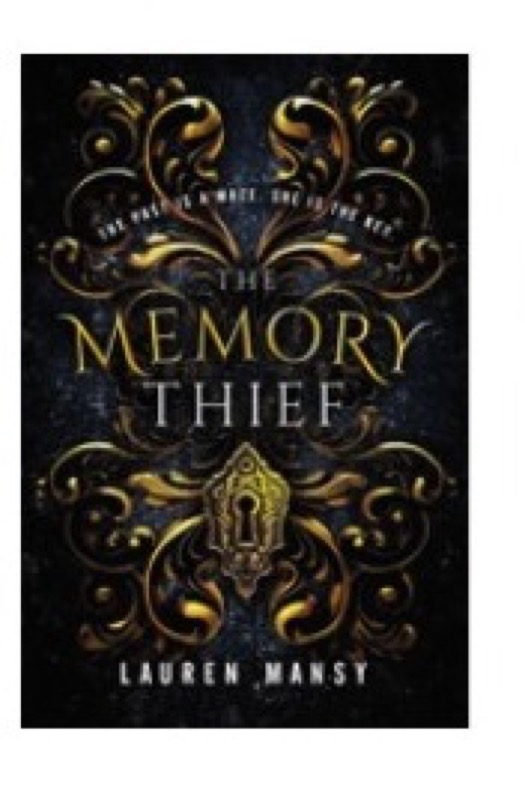
The Memory Thief
Hook & thesis
In The Memory Thief, Lauren Mansy crafts a haunting exploration of memory and identity within a fantastical labyrinth of obsession and darkness. Verdict: This book grips you with its chilling premise and refuses to let go, illuminating the perilous dance between desire and the loss of self.
The contextual pivot
Mansy’s work occupies a unique niche in the fantasy-romance genre, blending elements of dark magic with the intricacies of human relationships. Where authors like Sarah J. Maas weave epic romantic tales through grand quests, Mansy narrows her focus to the intimate terrors of memory manipulation and emotional reliance. The book speaks to an audience that craves depth in fantasy, challenging readers who may typically shy away from darker themes to confront their own vulnerabilities. In doing so, it successfully bridges the gap between niche tropes and mainstream appeal, inviting a broader readership into its shadowy corridors.
Deep-dive critique
The structural pacing of The Memory Thief is notably effective, utilizing a dual timeline that alternates between the protagonist’s present struggles and fragmented memories that surface throughout her quest. This technique not only heightens the tension but also reflects the confusion and disarray inherent in the protagonist’s journey. Mansy’s prose is evocative and lyrical, drawing readers into a richly crafted world that illuminates the darker aspects of memory and desire. Characterization shines through the protagonist’s complexities, as her grappling with obsession and the consequences of her choices lends authenticity to her plight. However, there are moments where dialogue falters, veering toward exposition rather than maintaining the immersive quality of the narrative. Some secondary characters, while intriguing, feel underdeveloped, leaving their motivations shrouded in ambiguity that could have deepened the thematic exploration of trust and betrayal. The ending, though poignant, teeters on the edge of resolution, provoking thought about whether true healing is achievable after such profound loss.
Discussion launchpad
Mansy’s exploration of memory and obsession raises polarizing questions about the nature of identity and the ethics of emotional reliance. The interplay between light and dark in relationships is both compelling and concerning, leaving readers to ponder the limits of love.
Questions for the room:
- How do the themes of memory and obsession reflect contemporary societal issues regarding mental health and relationships?
- In what ways does the dual timeline enhance or detract from the emotional weight of the story?
- What are the implications of the ending—does it suggest hope or despair in the face of trauma?
- How does Mansy’s portrayal of dark magic serve as a metaphor for the dangers of losing oneself in love?
#TheOrchidRoom #fantasyromance #darkromance #memory #literaryanalysis