
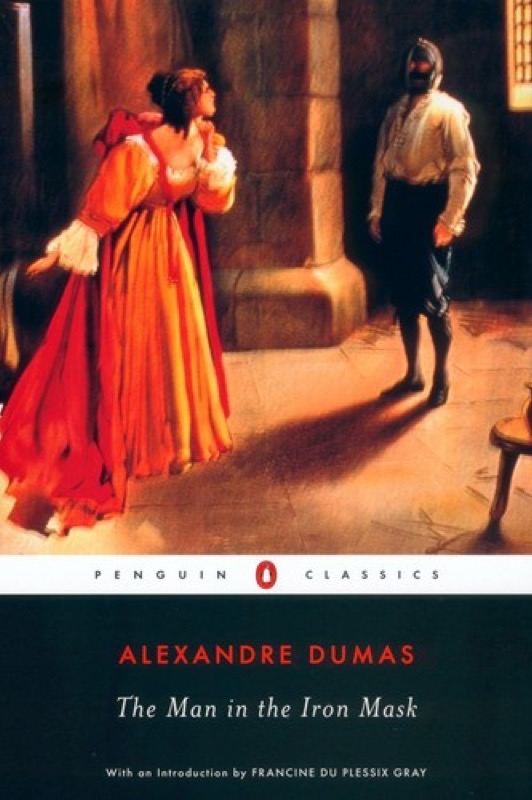
The Man in the Iron Mask (Le vicomte de Bragelonne #4/4)
Le vicomte de Bragelonne series
Hook & thesis
In The Man in the Iron Mask, Alexandre Dumas crafts a tale of political intrigue and identity cloaked in the shadows of tyranny and betrayal. At its core, the novel explores the haunting conflict between power and freedom, as masked identities unravel the true nature of loyalty. Verdict: Dumas’s narrative, while sprawling, serves as a stark reminder of the oppressive nature of absolute power, ultimately leaving us questioning the very essence of the self.
The contextual pivot
Situated within the historical dark-thriller genre, this final installment of Le vicomte de Bragelonne presents Dumas at his most ambitious, weaving complex relationships against the backdrop of 17th-century France. In comparison to contemporaries like Victor Hugo and more modern gothic storytellers, Dumas’s work transcends mere adventure, diving into the psychological depths of human ambition and the darkness that often accompanies it. The invisible audience comprises those drawn to tales of political machinations yet seeks a deeper exploration of the human psyche; Dumas bridges the niche of historical romance with broader themes of oppression and identity.
Deep-dive critique
Dumas employs a multi-perspective structure that enhances the tension in the narrative; however, this approach occasionally leads to pacing issues where the story can feel unwieldy. The shifting points of view serve to create a rich tapestry of intrigue, yet at times, they dilute the emotional resonance of pivotal moments. The prose, while elegant, occasionally veers into excessive descriptions that may distract from the urgent themes of betrayal and identity. Characters like Aramis and Porthos are well-drawn, embodying the duality of loyalty and ambition, yet their arcs sometimes feel overshadowed by the grand political narrative. Dumas’s dialogue crackles with wit, revealing the characters’ motivations, but the emotional stakes could be heightened—particularly in scenes that call for deeper introspection. The ending, while fitting within the framework of the series, leaves some threads hanging, provoking a sense of unease rather than resolution, which may frustrate readers seeking closure.
Discussion launchpad
The novel’s exploration of identity and power dynamics raises significant questions about morality and the consequences of ambition. Dumas intertwines personal and political conflicts, which can ignite debates on the nature of sacrifice and fidelity.
- Questions for the room:
- How does Dumas’s portrayal of identity in The Man in the Iron Mask resonate with contemporary issues of anonymity and power?
- In what ways does this novel challenge the notion of loyalty, and how might it apply to today’s political landscape?
- Does the novel’s ending provide a satisfying conclusion, or does it leave too much unresolved?
- How does Dumas’s writing style enhance or detract from the story’s darker themes?
- What role does historical context play in shaping the characters’ motivations throughout the narrative?
#LiteraryAnalysis #GothicEdge #TheOrchidRoom #darkthriller #historicalclassic