
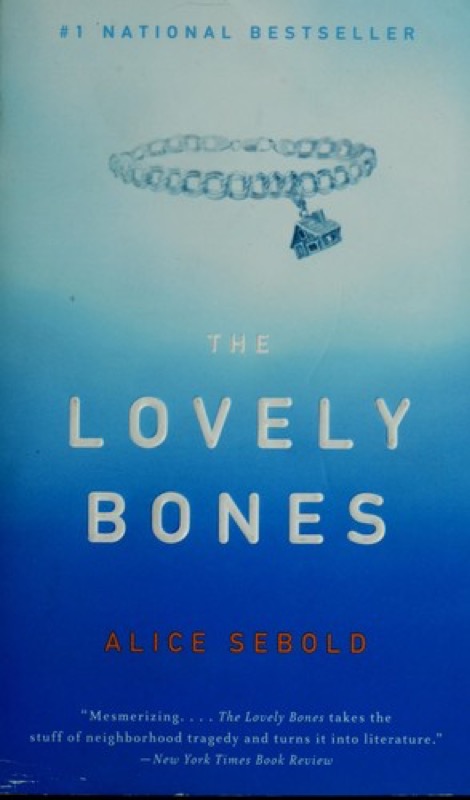
The Lovely Bones
Hook & thesis
Alice Sebold’s The Lovely Bones embarks on a haunting exploration of grief, loss, and the lingering shadows of trauma, all told through the eyes of a murdered girl observing her family’s attempts to heal. Verdict: This novel is a poignant meditation on the afterlife that subverts the gothic-horror genre by intertwining profound emotional resonance with the macabre.
The contextual pivot
Within the gothic-horror-romance landscape, The Lovely Bones stands out not merely for its narrative of a posthumous perspective but also for its deep psychological insights into the lives of those left behind. Sebold bridges the niche realm of speculative fiction with broader themes of familial love and vengeance, appealing to a diverse readership. Unlike traditional horror that often revels in fear, Sebold’s narrative is more about the aftermath of horror—how the living cope with the void left by death, a theme she revisits in her later works, drawing parallels to her own experiences with trauma and recovery.
Deep-dive critique
Sebold’s structure, narrated from Susie’s ethereal vantage point, cleverly intertwines timelines, oscillating between her observations from the afterlife and the unfolding tragedy below. This duality enriches the narrative, allowing readers to experience both the stark reality of her family’s grief and the surreal nature of her own existence. The prose is lyrical yet stark, capturing the grotesque beauty of life and death—an ambition realized through meticulous imagery that evokes the visceral nature of loss.
Character development is another stronghold, particularly in how Susie’s family members navigate their grief. The dialogue is achingly authentic, reflecting the disjointedness of mourning. However, at times, the pacing can falter, particularly in the latter sections where the narrative drags under the weight of unresolved tensions and the exploration of revenge. The ending, though bittersweet, invites scrutiny; some might argue it lacks the catharsis one expects from a story steeped in such darkness, raising questions about its ultimate message regarding justice and closure.
Discussion launchpad
Sebold’s exploration of grief and loss through the lens of the supernatural invites a range of interpretations, creating a fertile ground for debate. The juxtaposition of horror with deep emotional themes can split readers—some may find it illuminating, while others might deem it exploitative.
- Questions for the room:
- Does the portrayal of grief resonate authentically, or does it feel manipulative?
- How does the afterlife perspective alter our understanding of the characters’ motivations?
- Is the novel’s conclusion satisfactory, or does it leave critical questions unanswered?
- In what ways does Sebold challenge traditional gothic tropes through her treatment of trauma and healing?
- How do the content warnings shape your reading experience and expectations?
#TheOrchidRoom #gothic #horrorromance #loss #afterlife