
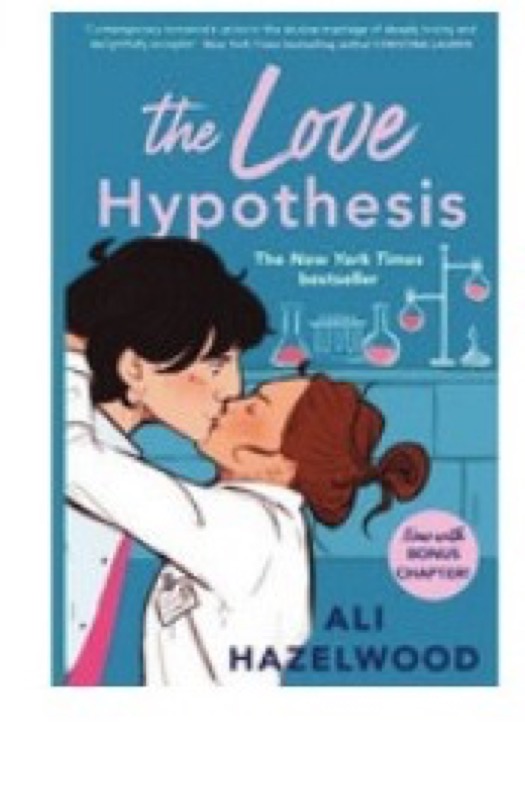
The Love Hypothesis
Hook & thesis
In The Love Hypothesis, Ali Hazelwood masterfully intertwines the complexities of academia with the charged dynamics of an enemies-to-lovers narrative, creating a compelling exploration of ambition and vulnerability. Verdict: This book is a sharp dissection of how love can thrive in the most unexpected places, revealing the fragility behind professional facades.
The contextual pivot
Set against the backdrop of the STEM world, The Love Hypothesis draws on a rich tradition of contemporary romance that blends humor with heartfelt moments, reminiscent of works by authors like Christina Lauren and Talia Hibbert. Hazelwood’s narrative dances between the niche of academic culture and the broader appeal of romantic comedy, effectively bridging the gap for readers who may not typically gravitate towards STEM-themed romances. By placing her characters in the high-stakes environment of scientific research, she speaks to an invisible audience craving authenticity and nuanced relationships beyond the realm of typical romantic tropes.
Deep-dive critique
Hazelwood’s structure employs a tight third-person perspective that allows readers to fully immerse themselves in the protagonist’s internal conflicts, effectively amplifying the tension inherent in both her professional and personal life. The pacing is swift, yet deliberate, with moments of levity woven seamlessly through emotionally charged encounters. The dialogue crackles with wit, underscoring the protagonists’ initial antagonism while gradually revealing the layers of their attraction — a testament to Hazelwood’s skill in crafting chemistry through conflict.
Thematic success lies in Hazelwood’s exploration of societal expectations and personal ambition. The protagonist’s struggle with imposter syndrome resonates deeply, providing a relatable anchor amidst the romantic tension. The portrayal of the male lead, initially a seemingly typical ‘bad boy’ turned supportive partner, invites examination of the ways in which vulnerability can reshape preconceived notions of masculinity. While the ending ultimately aligns with genre conventions, it feels earned through the protagonists’ growth and the resolution of their respective arcs, rather than mere plot necessity.
Discussion launchpad
The interplay of romantic tension and professional stakes raises multifaceted questions about identity, ambition, and love. Readers may find themselves divided on the portrayal of workplace relationships and gender dynamics within academia.
Questions for the room:
- Does the depiction of STEM culture enhance the romance, or does it overshadow character development?
- How does Hazelwood’s treatment of ambition challenge traditional romantic narratives?
- What does the evolution of the male lead say about contemporary notions of masculinity in romance?
- Can the enemies-to-lovers trope sustain its appeal in a setting that is so heavily tied to professional ambitions?
#TheOrchidRoom #enemiestolovers #STEMromance #darkromance #literaryanalysis